MATERIAL REFERENCE

Custom Bag Materials Guide

Complete material reference for custom bag manufacturing: polyester, nylon, canvas, GRS-certified RPET, clear TPU/PVC, vegan leather, and food-grade PEVA lining. Specifications, durability, water resistance, and best-use recommendations from our Dongguan factory.

Material Comparison Overview

Quick reference for the most common bag manufacturing materials, their key properties, and typical applications.

MaterialCommon WeightsDurabilityWater ResistanceCost LevelBest For
Polyester210D, 420D, 600D, 900D, 1680DHighGood (with PU/PVC coating)Low-MediumBackpacks, duffel bags, tote bags, waist bags
Nylon210D, 420D, 840D, ballisticVery HighExcellent (naturally water-repellent)Medium-HighPremium backpacks, laptop bags, outdoor gear
Canvas / Cotton8oz, 12oz, 16ozMedium-HighLow (can be waxed/coated)MediumTote bags, fashion bags, casual backpacks
RPET (Recycled Polyester)300D, 600D, 900DHigh (equivalent to virgin)Good (with coating)Medium (15-25% premium)Eco-friendly bags, sustainable product lines, GRS-certified orders
Clear TPU / PVC0.2mm, 0.3mm, 0.4mm, 0.5mmMediumExcellent (waterproof)Low-MediumStadium bags, cosmetic bags, TSA-compliant clear bags
Vegan Leather (PU)0.6mm, 0.8mm, 1.0mm, 1.2mmMedium-HighGoodMediumCosmetic bags, wallets, fashion bags, premium packaging
PEVA / EVA Lining0.15mm, 0.2mm, 0.25mmMediumExcellent (food-grade waterproof)LowCooler bag linings, food-contact applications, insulated bags
EPE / XPE Foam3mm, 5mm, 8mm, 10mmN/A (insulation)N/ALowCooler bag insulation, padded compartments, protective lining

Detailed Material Profiles

In-depth specifications, properties, and manufacturing considerations for each material type.

Polyester Fabric
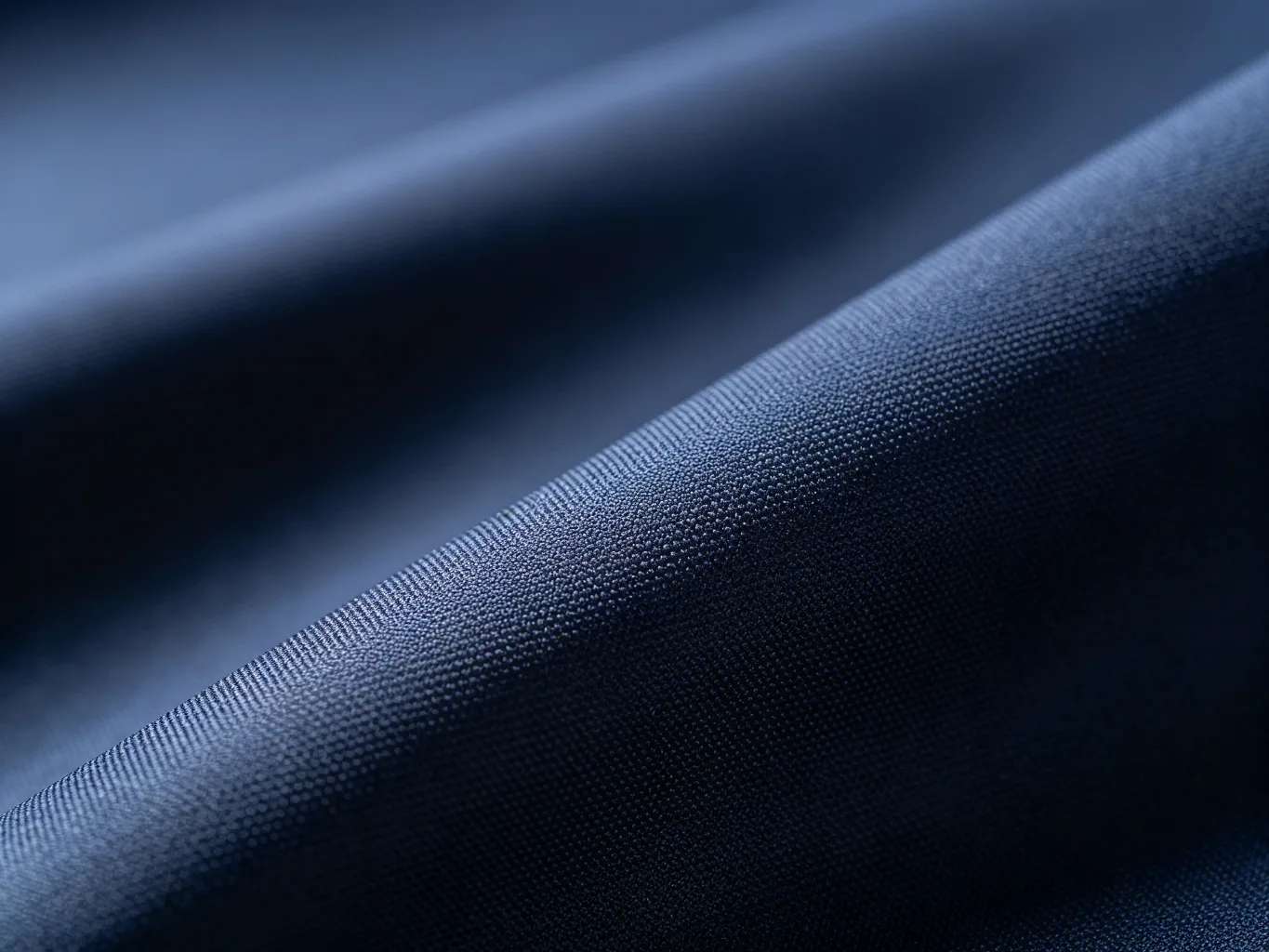
210D / 420D / 600D / 900D / 1680D
600D polyester oxford fabric texture close-up, navy blue

Polyester is the most widely used material in bag manufacturing due to its excellent durability, colorfastness, wrinkle resistance, and cost-effectiveness. Available in a wide range of deniers (thread thickness) and weaves (plain, twill, ripstop), polyester can be coated with PU or PVC for enhanced water resistance. 600D polyester is the industry standard for mid-range backpacks and duffel bags, while 1680D ballistic polyester offers premium durability for heavy-duty applications.

Tensile:40-65 MPa
Abrasion:35,000-55,000 cycles
Water:Good (PU/PVC coated)
UV:Good
Best for: backpacks, duffel bags, tote bags, waist bags, laptop bags, general-purpose bags

Nylon Fabric

210D / 420D / 840D / Ballistic
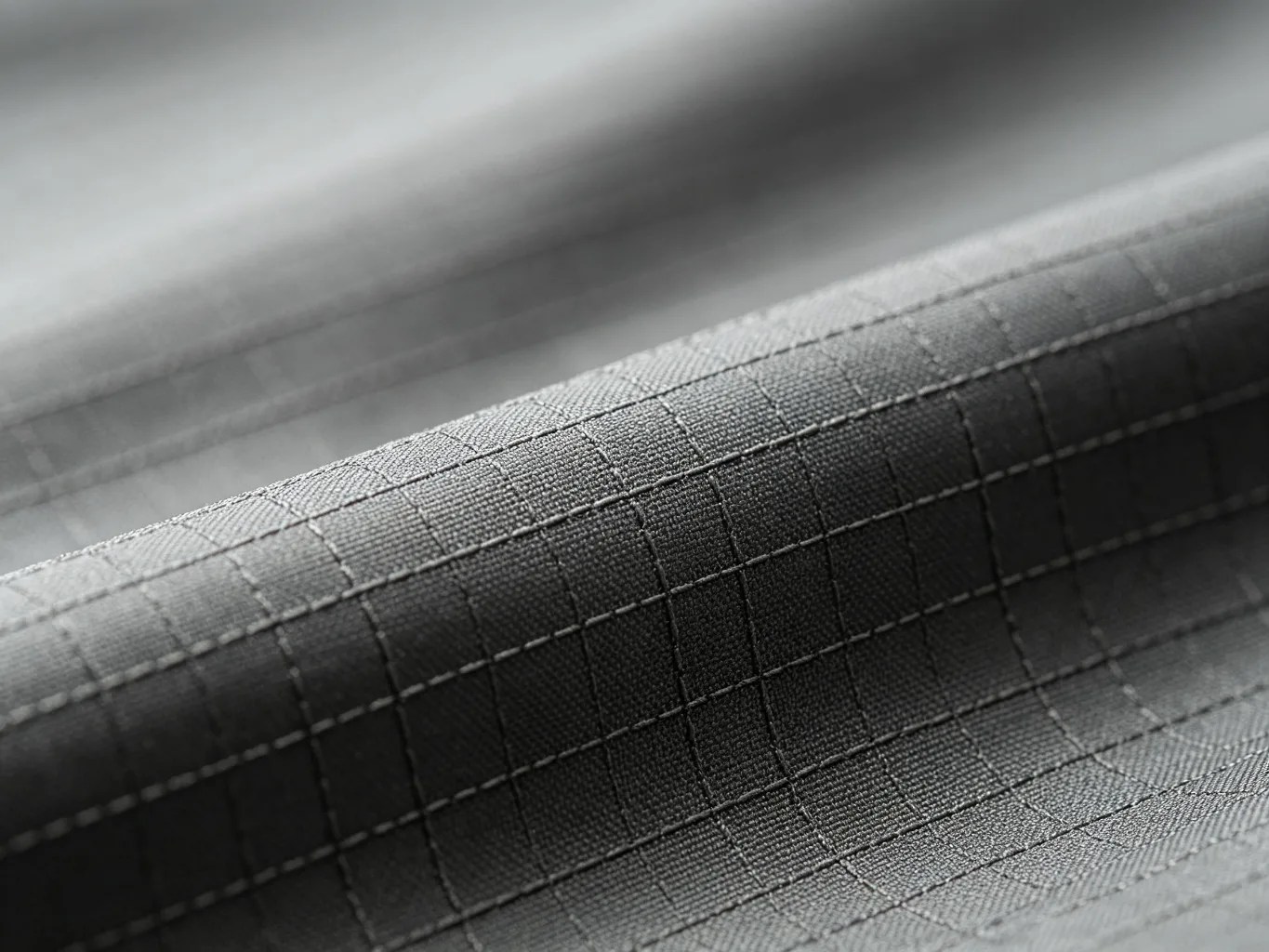
Ripstop nylon fabric texture close-up, charcoal gray

Nylon offers superior tensile strength, abrasion resistance, and natural water repellency compared to polyester, making it the preferred choice for premium and outdoor bags. Nylon fibers are more flexible and have a softer hand feel than polyester, and they maintain strength better under repeated flexing. Ballistic nylon (originally developed for flak jackets) is the most durable nylon weave, offering exceptional tear and abrasion resistance for heavy-duty backpacks and laptop bags. Nylon is typically 20-40% more expensive than equivalent polyester.

Tensile:55-80 MPa
Abrasion:50,000-80,000 cycles
Water:Excellent (natural + coating)
UV:Medium
Best for: premium backpacks, laptop bags, outdoor gear, travel bags, heavy-duty applications

Canvas & Cotton Fabric

8oz / 12oz / 16oz / 20oz
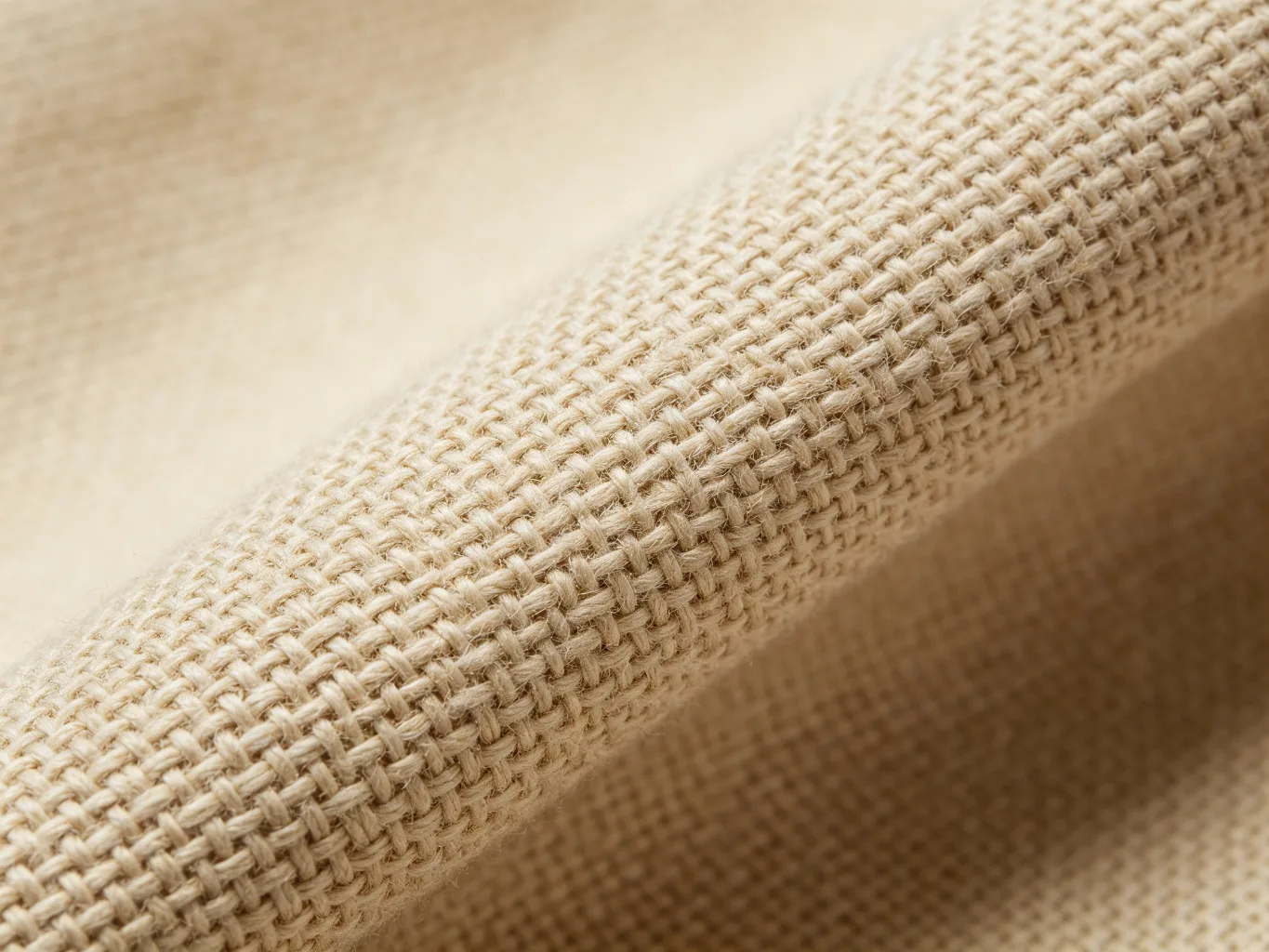
12oz cotton canvas fabric texture close-up, natural beige

Canvas is a heavy-duty plain-woven fabric traditionally made from cotton (or cotton-poly blends for enhanced durability). It offers a natural, textured aesthetic that is popular for fashion and lifestyle bags. Canvas is breathable, printable (excellent for screen printing and embroidery), and develops a unique patina with age. However, canvas is not naturally water-resistant — it can be waxed for water repellency (waxed canvas) or coated with PU/PVC for waterproof performance. 12oz canvas is the standard for tote bags, while 16oz+ canvas is used for heavy-duty work bags and backpacks.

Tensile:30-50 MPa
Abrasion:25,000-45,000 cycles
Water:Low (waxed/coated = Good)
Breathable:Yes
Best for: tote bags, fashion bags, casual backpacks, promotional bags, branded merchandise

RPET Recycled Polyester

GRS Certified / 300D / 600D / 900D
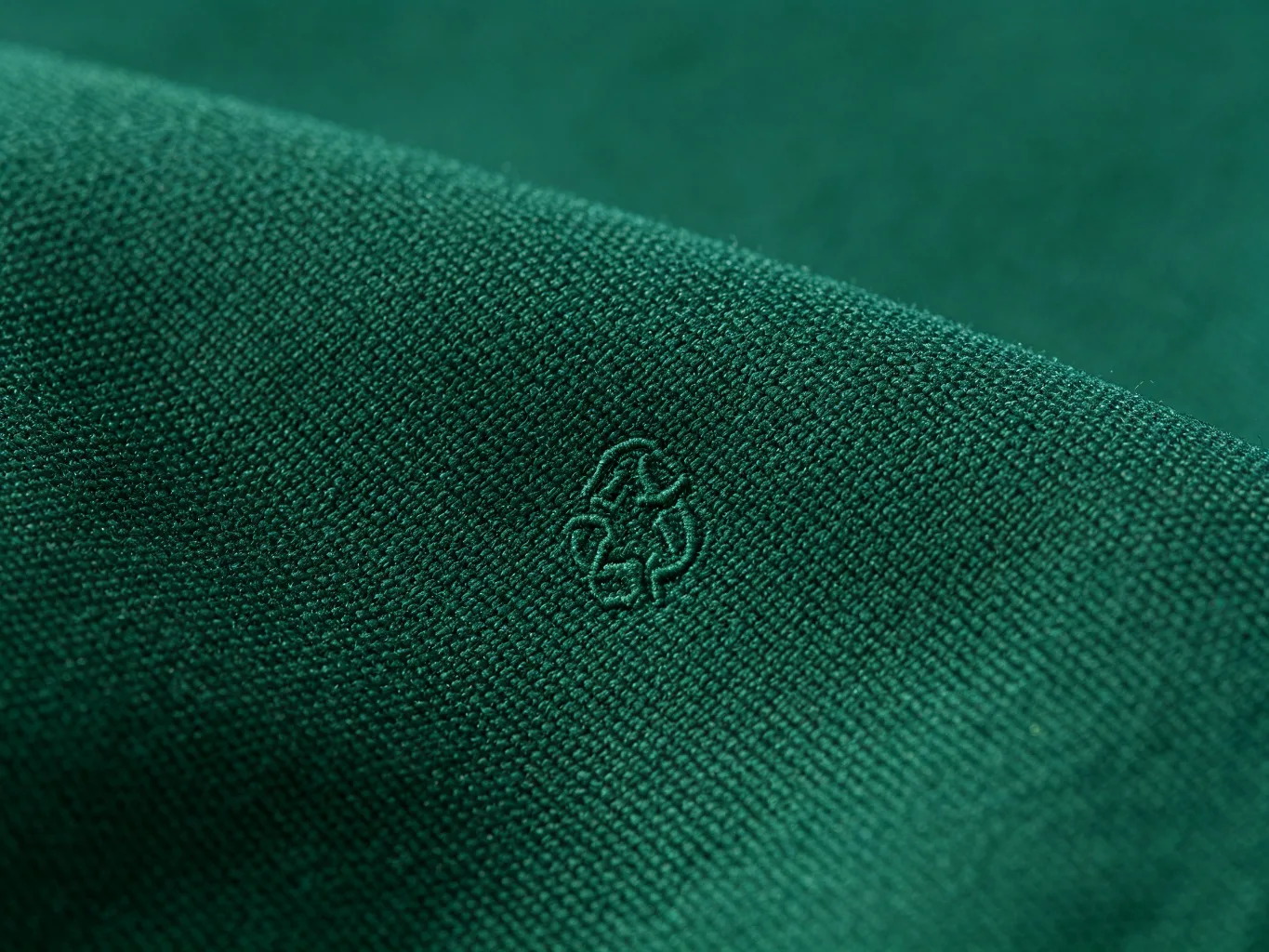
RPET recycled polyester fabric texture close-up, dark green with recycle symbol

RPET (recycled polyethylene terephthalate) is manufactured from post-consumer plastic bottles that are collected, sorted, cleaned, shredded, melted, and extruded into polyester fibers. RPET offers performance characteristics nearly identical to virgin polyester — same tensile strength, abrasion resistance, and colorfastness — while reducing carbon emissions by approximately 75% and water consumption by 90% compared to virgin polyester production. One 500ml plastic bottle yields approximately 8-10 grams of RPET fiber. GRS (Global Recycled Standard) certification provides third-party verification of recycled content and supply chain traceability. RPET typically costs 15-25% more than equivalent virgin polyester.

Tensile:≥95% of virgin
CO₂ Reduction:~75% vs virgin
Water Reduction:~90% vs virgin
Certification:GRS / RCS
Best for: eco-friendly product lines, sustainable brand initiatives, retailer sustainability requirements, corporate ESG procurement, learn more about RPET vs virgin polyester

Clear TPU & PVC Film

0.2mm / 0.3mm / 0.4mm / 0.5mm
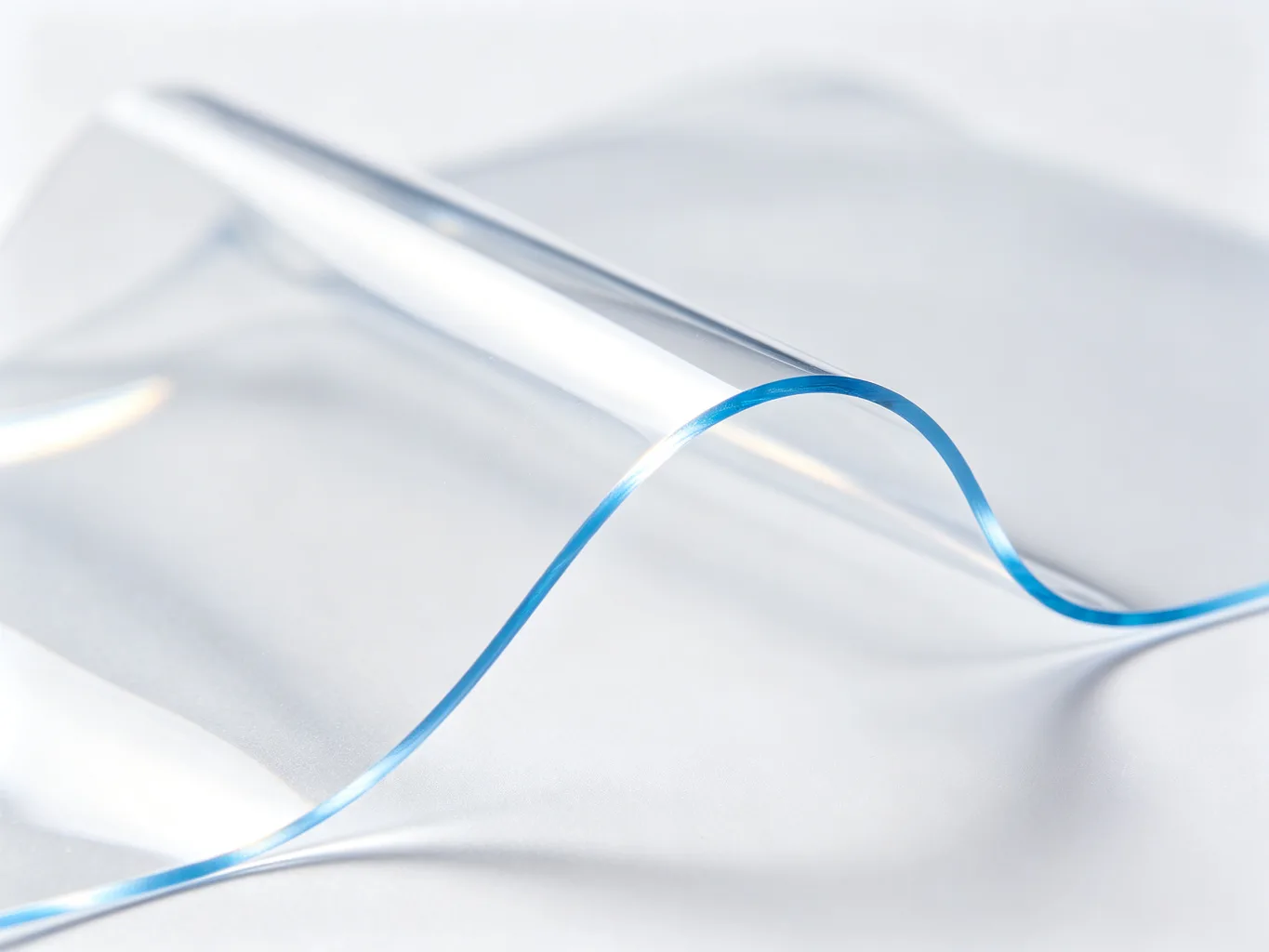
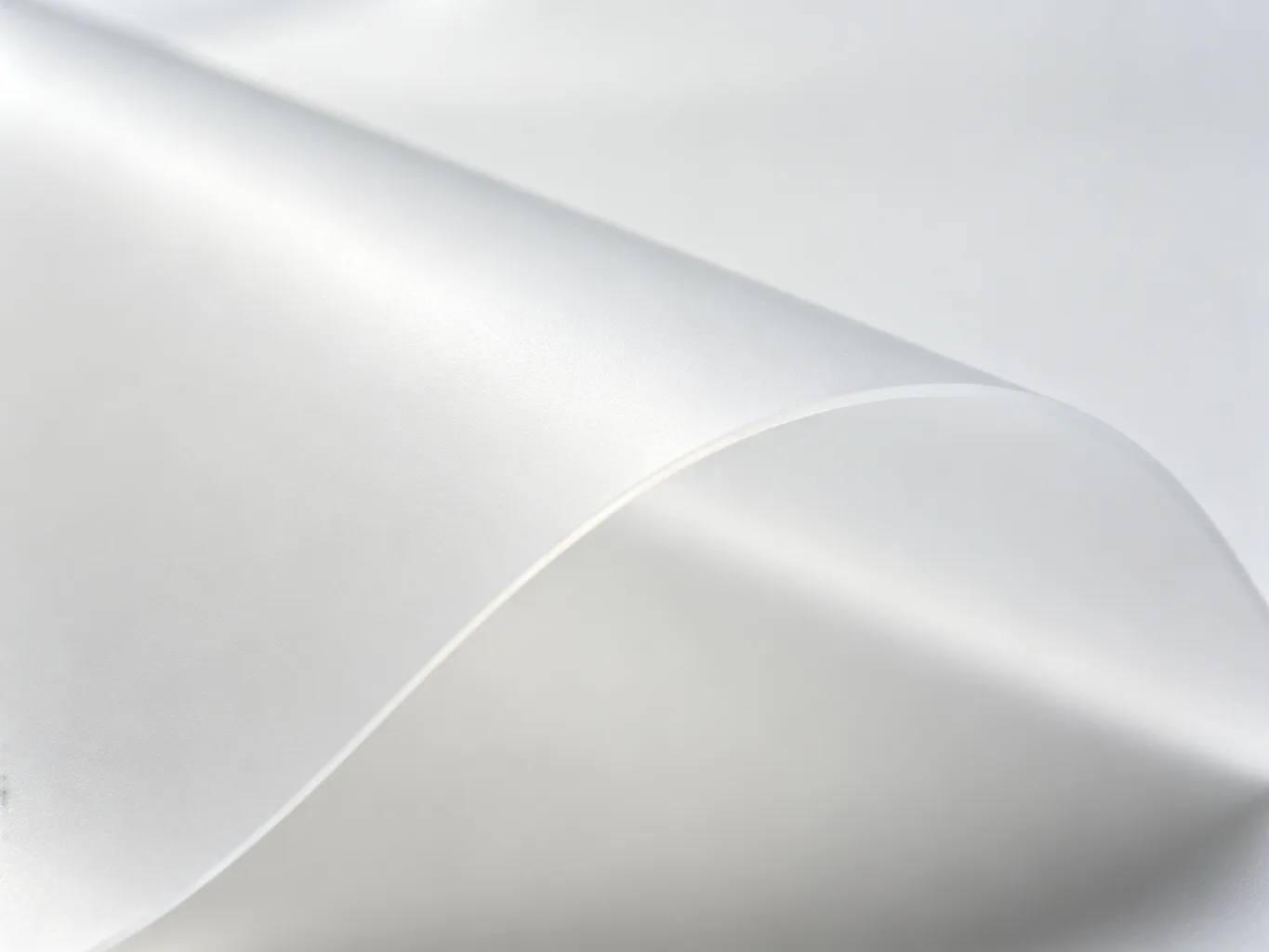
Clear transparent TPU film material close-up with blue edge refraction

Clear TPU (thermoplastic polyurethane) and PVC (polyvinyl chloride) films are used for transparent bag applications, most notably stadium-approved clear bags (NFL, concert venues) and TSA-compliant cosmetic bags. TPU is more flexible, durable, and environmentally friendly than PVC (phthalate-free, recyclable), while PVC is more rigid and cost-effective. Both materials are fully waterproof and can be RF-welded for leak-proof seams. Clear TPU/PVC bags must meet venue size requirements (typically 12×6×12" for NFL stadiums) and use fully transparent material with >90% light transmittance to pass security screening.

Transparency:>90% light transmittance
Waterproof:Excellent (RF weldable)
TPU Flex:High (-30°C flexible)
PVC Cost:Lower than TPU
Best for: clear cosmetic bags, stadium-approved waist bags, TSA-compliant travel pouches, concert/venue bags, waterproof phone pouches

Vegan Leather (PU & Microfiber)

0.6mm / 0.8mm / 1.0mm / 1.2mm
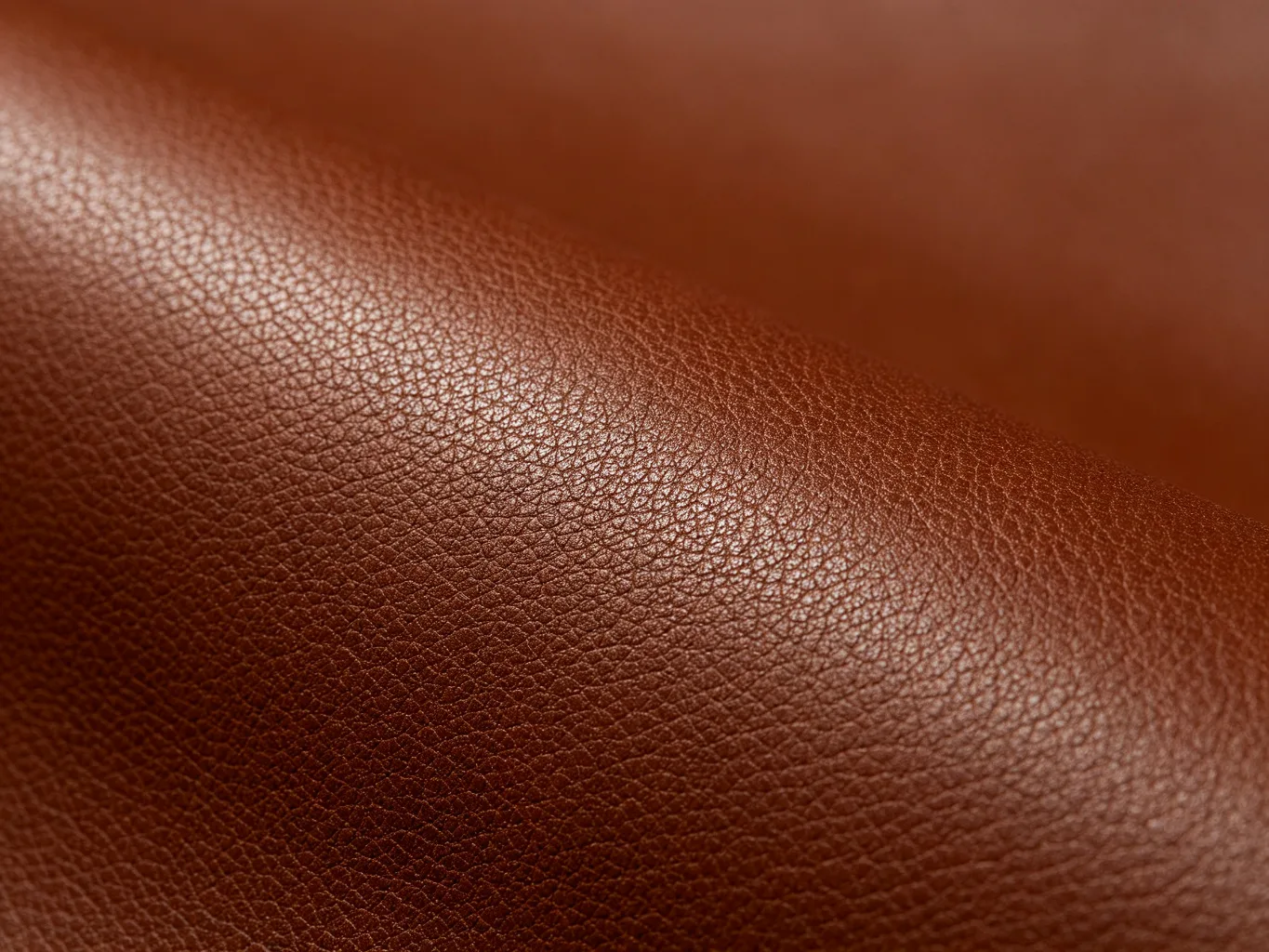
Vegan PU leather texture close-up, deep brown pebble grain

Vegan leather refers to animal-free leather alternatives, primarily PU (polyurethane) leather and microfiber synthetic leather. PU leather is made by coating a polyester or cotton backing with a polyurethane layer that is embossed with a leather grain texture. Microfiber vegan leather uses ultra-fine polyester fibers entangled to create a structure that closely mimics the feel and durability of genuine leather, with superior consistency and lower cost. Vegan leather offers excellent color consistency, is easy to clean, and avoids the ethical and environmental concerns of animal leather. Premium microfiber vegan leather can match or exceed genuine leather in abrasion resistance (50,000+ rub cycles) and is increasingly used in premium fashion and accessory brands.

Abrasion:30,000-60,000 rubs
Water:Good (easy to wipe clean)
Microfiber:Premium feel & durability
Animal-Free:Yes (vegan certified)
Best for: cosmetic bags, wallets, fashion bags, premium packaging, laptop sleeves, branded accessories

PEVA & EVA Lining (Food-Grade)

0.15mm / 0.2mm / 0.25mm
Food-grade PEVA EVA lining material close-up, frosted semi-translucent white

PEVA (polyethylene vinyl acetate) and EVA (ethylene vinyl acetate) are food-contact-safe liner materials used primarily in insulated cooler bags and lunch bags. PEVA is a chlorinated-free alternative to PVC that is FDA-compliant for food contact, lightweight, flexible, and waterproof. EVA offers similar food-contact compliance with enhanced flexibility and low-temperature performance. Both materials can be RF-welded for leak-proof seams, which is critical for cooler bag linings that may come into contact with ice, condensation, or food spills. Food-contact liners must meet FDA 21 CFR regulations for food contact substances in the US, and equivalent regulations (EU 10/2011, LFGB) for European markets.

FDA Compliant:Yes (21 CFR)
Waterproof:Excellent (RF weldable)
Temp Range:-20°C to 80°C
Phthalate-Free:Yes (PEVA)
Best for: cooler bag linings, lunch bags, food storage bags, insulated containers, waterproof toiletry bag linings

Insulation Foam (EPE / XPE)

3mm / 5mm / 8mm / 10mm
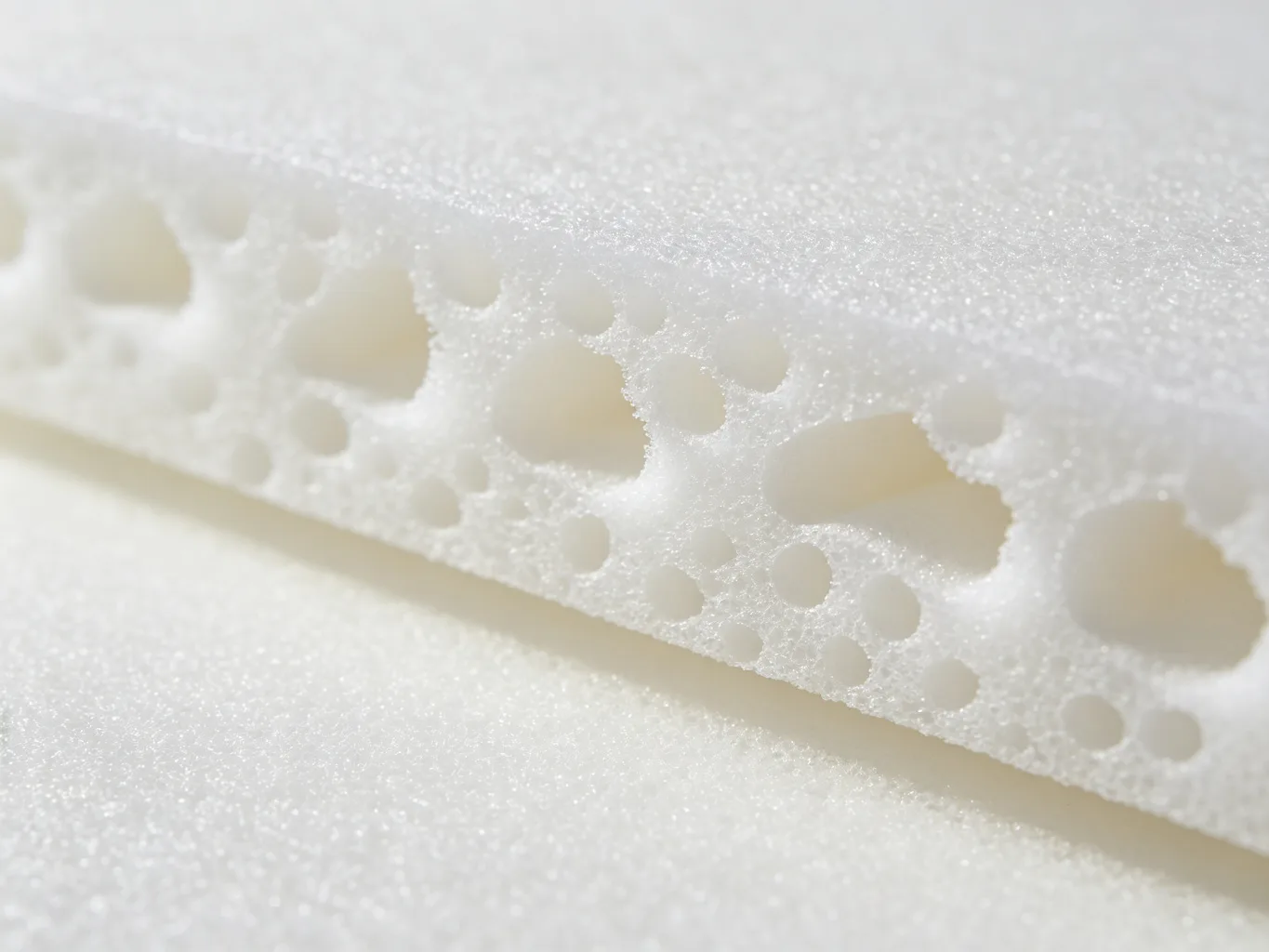
EPE XPE insulation foam cross-section showing closed-cell cellular structure

EPE (expanded polyethylene) and XPE (cross-linked polyethylene) foam are the primary insulation materials used in cooler bags and insulated containers. EPE foam is a lightweight, flexible closed-cell foam with good thermal insulation properties and low cost. XPE foam is a cross-linked version with higher density, better thermal performance, improved durability, and better compression recovery — making it the preferred choice for premium cooler bags. Both materials are non-toxic, moisture-resistant, and can be laminated with PEVA/EVA liners on one side and outer fabric on the other. Insulation thickness directly affects thermal performance: 5mm EPE provides approximately 4-6 hours of insulation, while 8-10mm XPE can achieve 6-12+ hours depending on ambient temperature and ice pack usage.
EPE Density:25-35 kg/m³
XPE Density:35-60 kg/m³
Thermal (5mm):4-6 hr retention
Thermal (10mm):8-12+ hr retention
Best for: insulated cooler bags, lunch bags, wine carriers, food delivery bags, insulated picnic bags

Hardware & Component Materials

Beyond shell fabrics, these components significantly impact bag quality, durability, and user experience.

ComponentMaterial OptionsKey ConsiderationsCost Impact
ZippersYKK #3/#5/#8, generic nylon/metal, waterproof zippersYKK = 2-3x cost but superior durability; #5 standard for bags; #8 for heavy-duty; waterproof for outdoor/coolerHigh (YKK vs generic)
Buckles & ClipsPOM plastic, ABS plastic, zinc alloy, aluminumPOM = standard, durable, low cost; zinc alloy = premium, heavy-duty; side-release vs cam bucklesMedium
Webbing & StrapsPolypropylene (PP), nylon, polyester, cottonPP = low cost, UV resistant; nylon = premium, soft; width 20mm-50mm; padded straps for backpacksLow-Medium
ThreadPolyester spun, polyester filament, bonded nylonPolyester = standard; bonded nylon = heavy-duty for thick materials; color matching criticalLow
Labels & TagsWoven labels, printed labels, leather patches, hangtagsWoven = premium, durable; printed = cost-effective; custom shapes and materials availableLow
ClosuresMagnetic snaps, velcro, drawstrings, clips, buttonsMagnetic = premium convenience; velcro = cost-effective; drawstrings = casual/sportyLow-Medium
COMPONENTS & ACCESSORIES

Additional Material Components

Beyond shell fabrics, these specialized components determine bag functionality, comfort, and visual finish. Each element is sourced to match your product's quality tier and performance requirements.

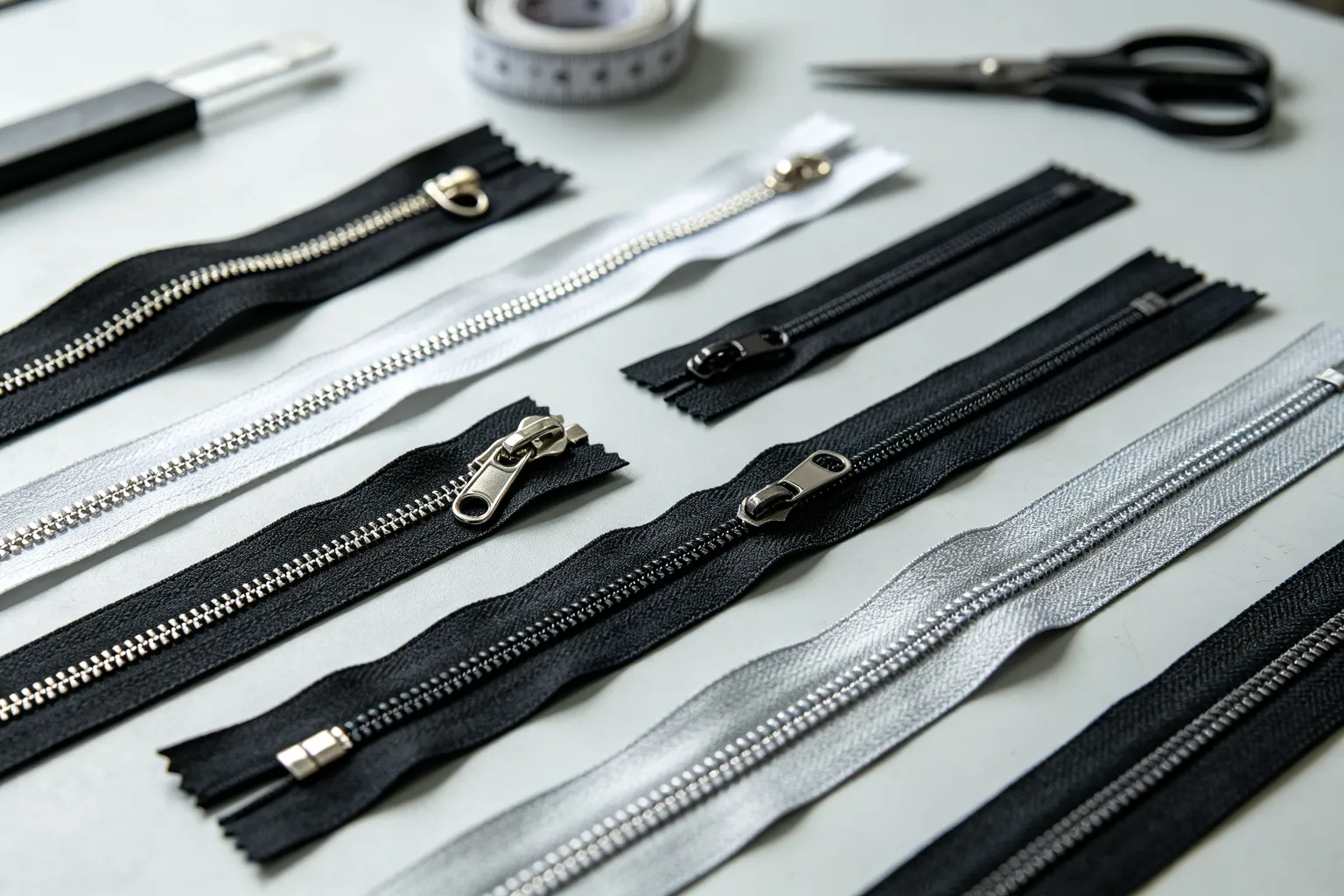
Various bag zippers: nylon coil, metal tooth, waterproof aquaguard, and invisible zippers

Zippers

Zippers are the most frequently used closure system in bag manufacturing. Nylon coil zippers offer flexibility and cost-effectiveness for general-purpose bags, while metal tooth zippers provide premium durability and aesthetic appeal for fashion and heavy-duty applications. Waterproof (aquaguard) zippers feature a PU-coated tape and sealed teeth for outdoor and cooler bags. Invisible zippers are used for clean, minimalist closures on cosmetic and fashion bags.

TypesNylon coil, metal, waterproof, invisible
Sizes#3, #5, #8, #10
BrandsYKK, SBS, generic
ColorsCustom dye-to-match available
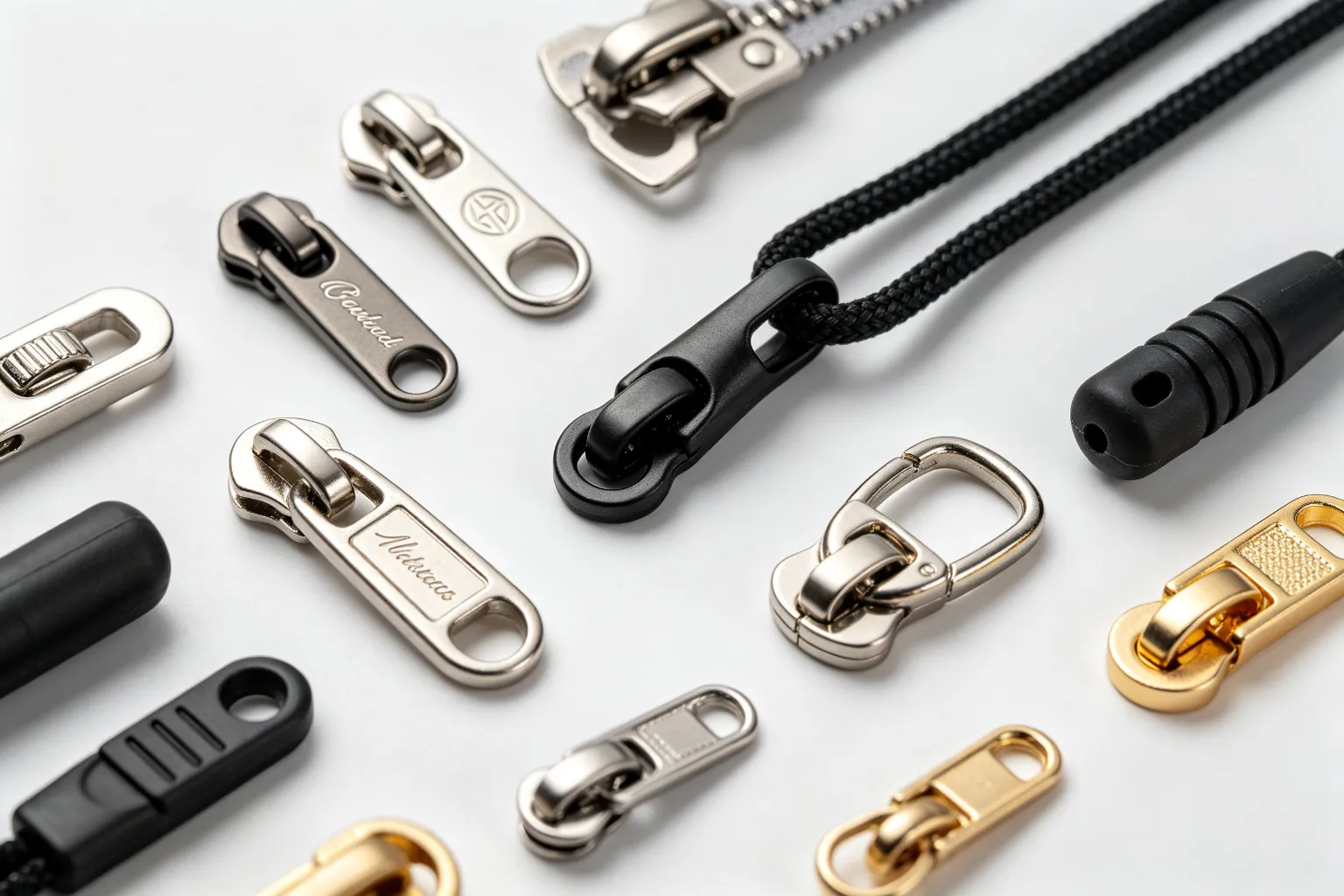
Various zipper pulls and sliders: metal, plastic, cord, rubber with custom logo

Zipper Pulls & Sliders

Zipper pulls and sliders are both functional and branding elements. Standard metal sliders (auto-lock, pin-lock, non-lock) provide reliable operation, while custom injection-molded plastic pulls allow for brand logo embossing or debossing. Cord pulls with rubberized ends offer easy grip for outdoor and athletic bags. Premium metal pulls in gunmetal, matte black, or brushed nickel finishes elevate the perceived quality of fashion and premium bag lines.

MaterialsMetal, plastic, cord, rubber
FinishesSilver, gunmetal, black, gold
CustomizationLogo engraving, mold injection
Lock TypesAuto-lock, pin-lock, non-lock
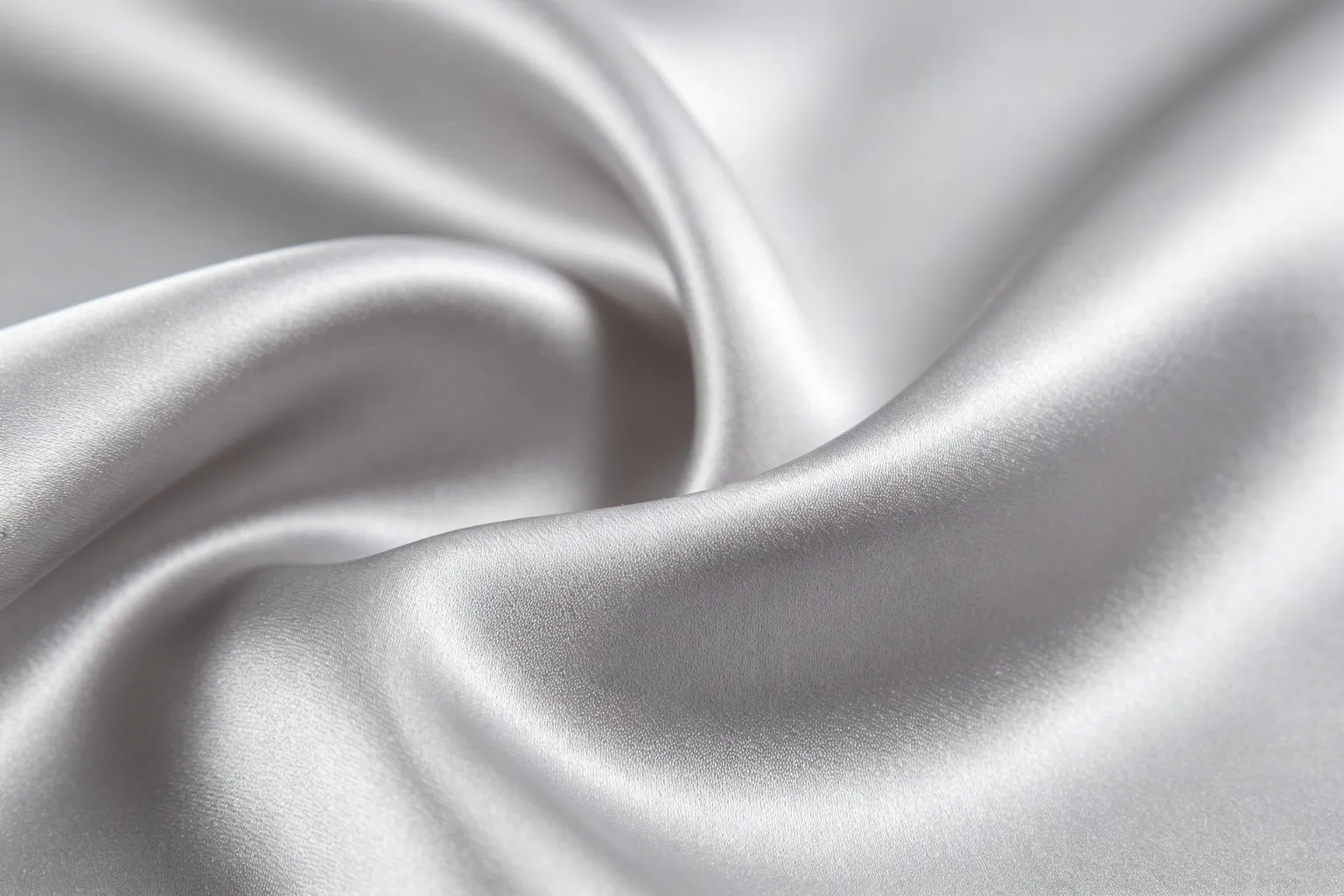
Polyester taffeta lining fabric, smooth glossy satin texture in light silver gray

Lining Fabric

Bag lining provides a clean interior finish, protects contents from rough seams, and adds structure to the bag. Polyester taffeta (190T, 210T, 230T) is the most common lining material due to its smooth texture, durability, and cost-effectiveness. Polyester pongee offers a softer, more luxurious hand feel for premium bags. Custom printed linings with brand patterns or logos are available for higher-end products. Lining color can be matched to the exterior or used as a contrasting design element.

TypesTaffeta, pongee, satin, mesh
Weights190T, 210T, 230T, 260T
ColorsStock colors + custom dye
PrintingCustom brand pattern available
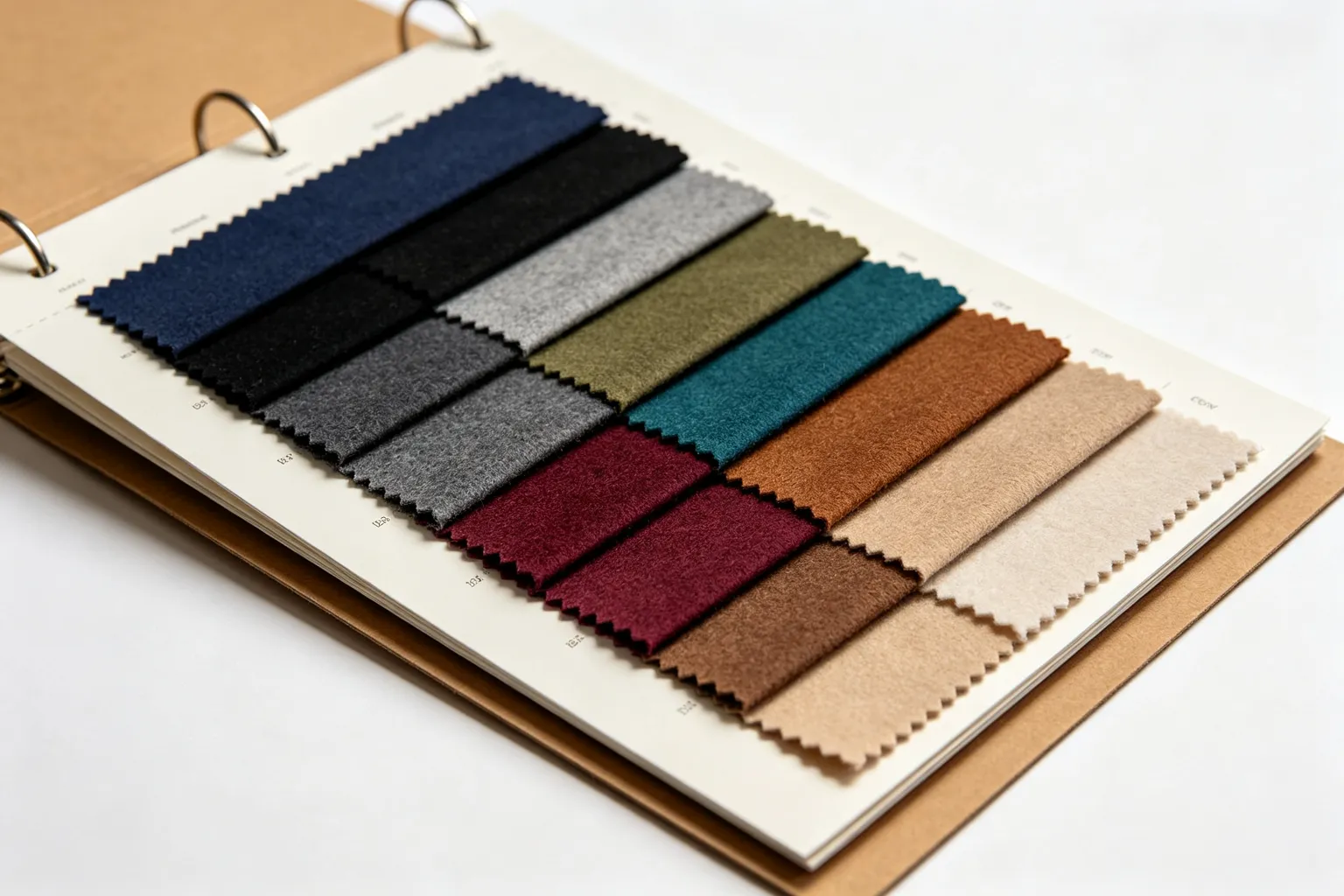
Fabric color swatch card with multiple colors arranged on a ring binder

Fabric Color Swatches & Custom Dyeing

Color consistency is critical for brand identity across production runs. We maintain an extensive stocked color library for all major fabric types, allowing for quick color selection and shorter lead times. For custom Pantone colors, we offer lab-dip services with 3-5 day turnaround, followed by bulk dyeing once approved. Custom-dyed fabrics typically require a higher MOQ (1,000-2,000 meters) due to textile mill dyeing minimums. We recommend stocked colors for first orders and custom colors for repeat production with validated demand.

Stock Colors20+ standard colors per fabric
Custom DyePantone matching, lab-dip service
Lab-dip Time3-5 business days
Dye MOQ1,000-2,000 meters
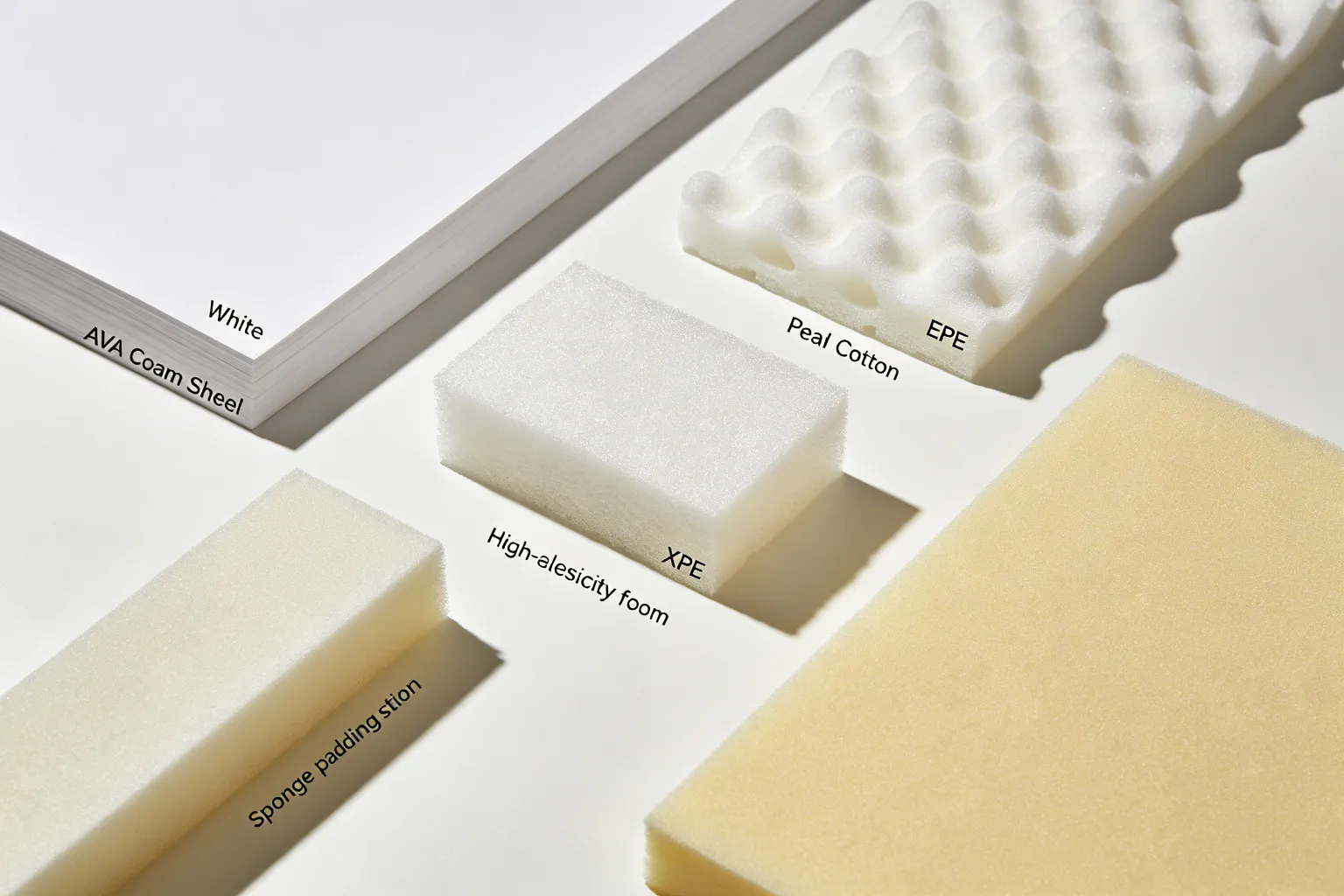
Various bag padding foam materials: EVA, pearl cotton EPE, high-elasticity XPE, and sponge

Padding & Foam Materials

Padding and foam materials provide structure, protection, and comfort in bag manufacturing. EVA (ethylene-vinyl acetate) foam is a lightweight, flexible closed-cell foam used for bag bases and structure. Pearl cotton (EPE, expanded polyethylene) features a bubbly texture and is used for lightweight cushioning and insulation. High-elasticity foam (XPE, cross-linked polyethylene) offers superior compression recovery and durability for premium backpack straps and laptop compartments. Sponge padding (PU foam) provides soft cushioning for shoulder straps and handle wraps. Foam thickness directly impacts bag structure and protection level.

EVA FoamStructure, bases, 2-10mm
Pearl Cotton (EPE)Light cushioning, 1-5mm
High-Elasticity (XPE)Premium straps, 5-15mm
PU SpongeSoft padding, straps, 3-10mm

Need Help Choosing the Right Material?

Our material specialists provide personalized recommendations based on your product requirements, budget, target market, and sustainability goals. Request material swatches and a factory-direct quotation within 8 hours.

Request Material Swatches & Quote
WeChat QR Code
Quick Inquiry
ABCD