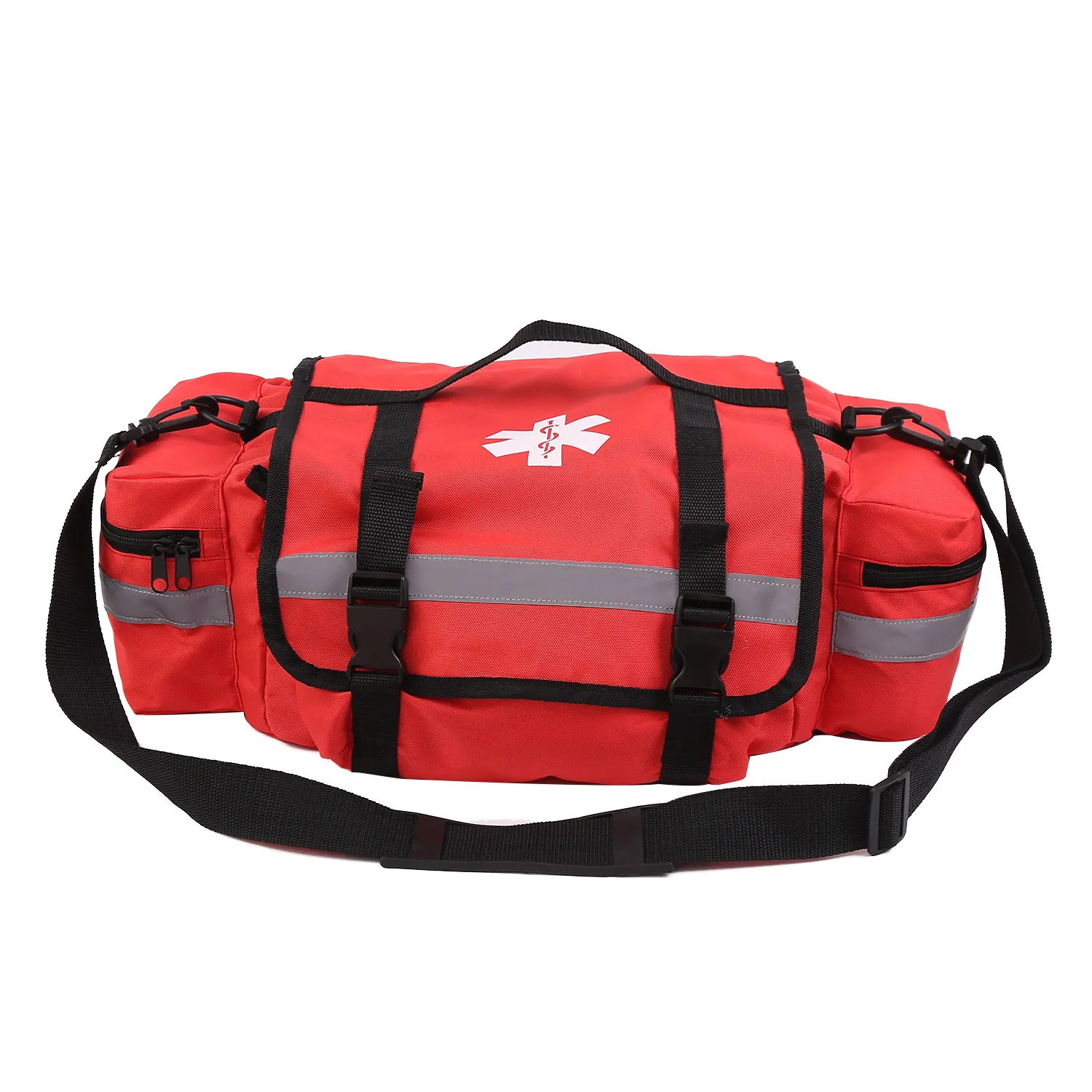
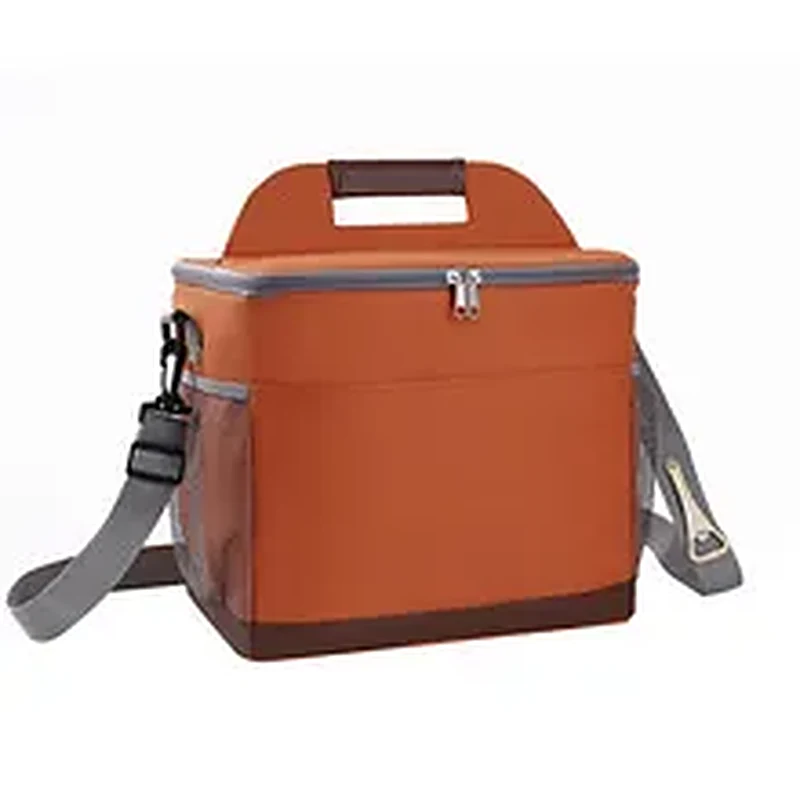
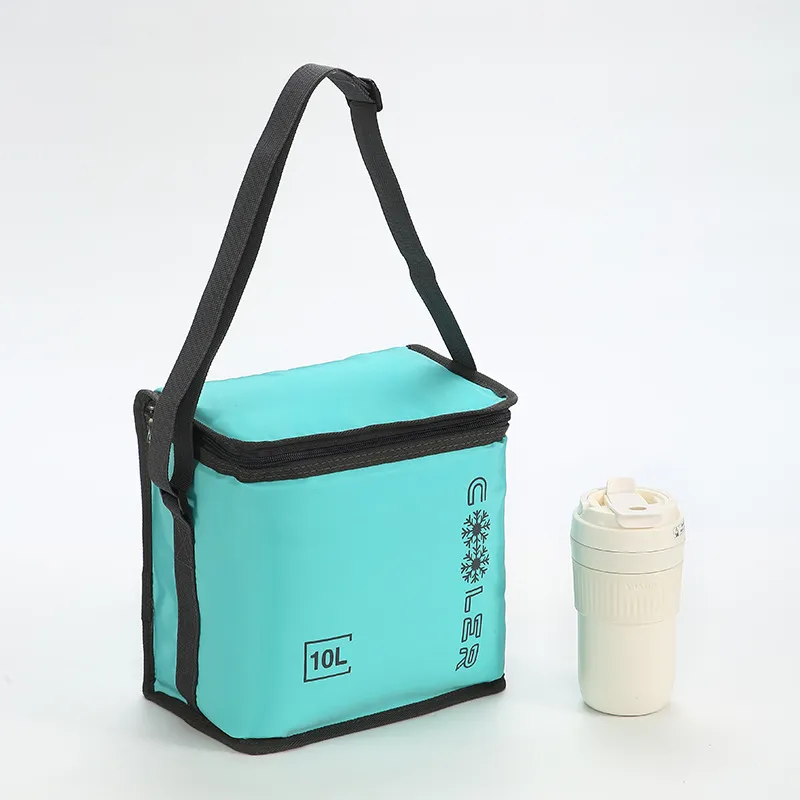
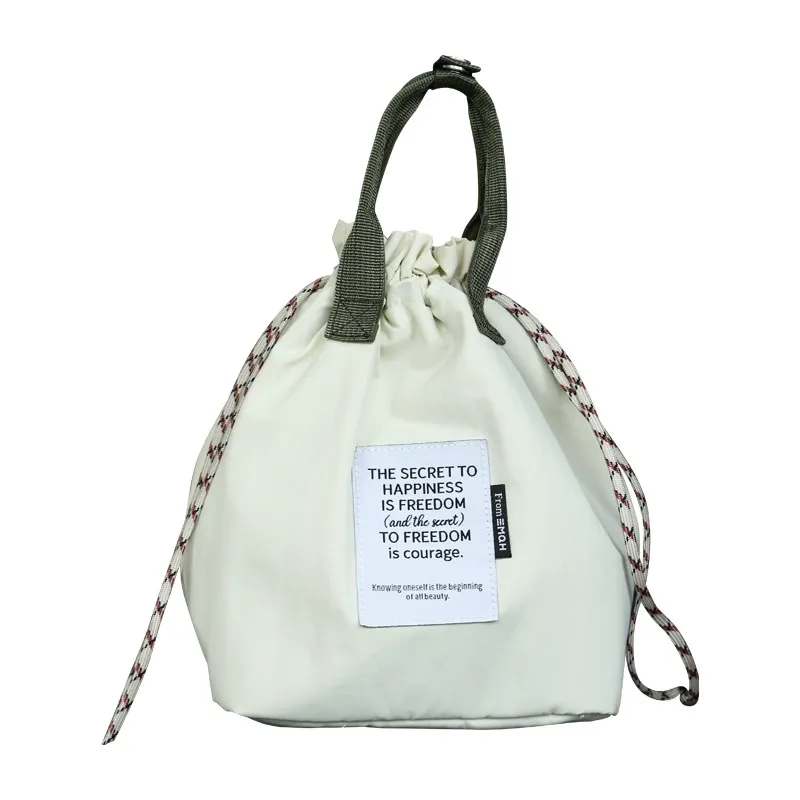
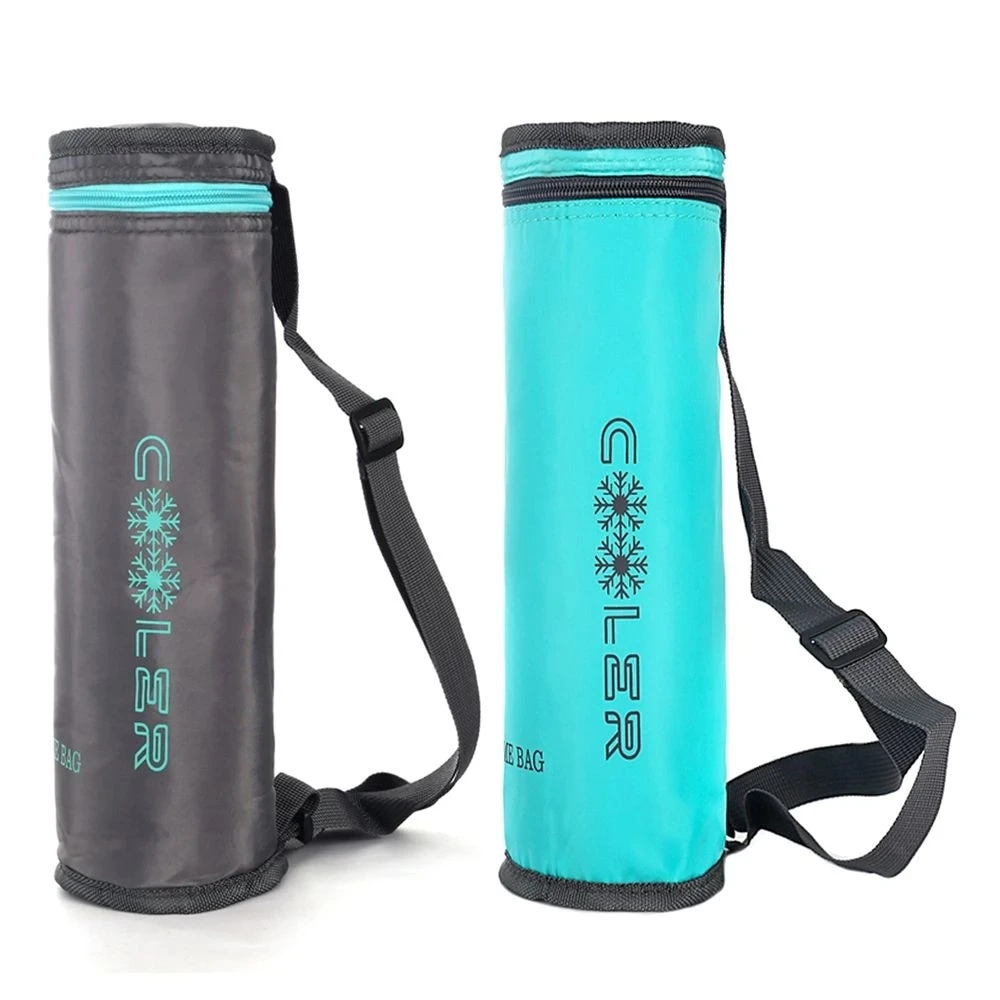
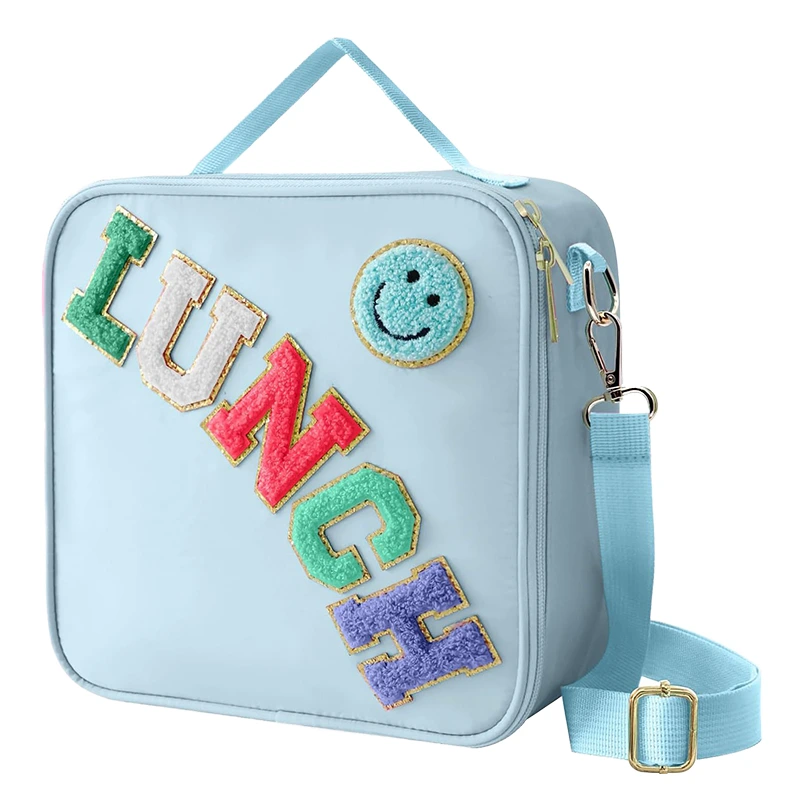
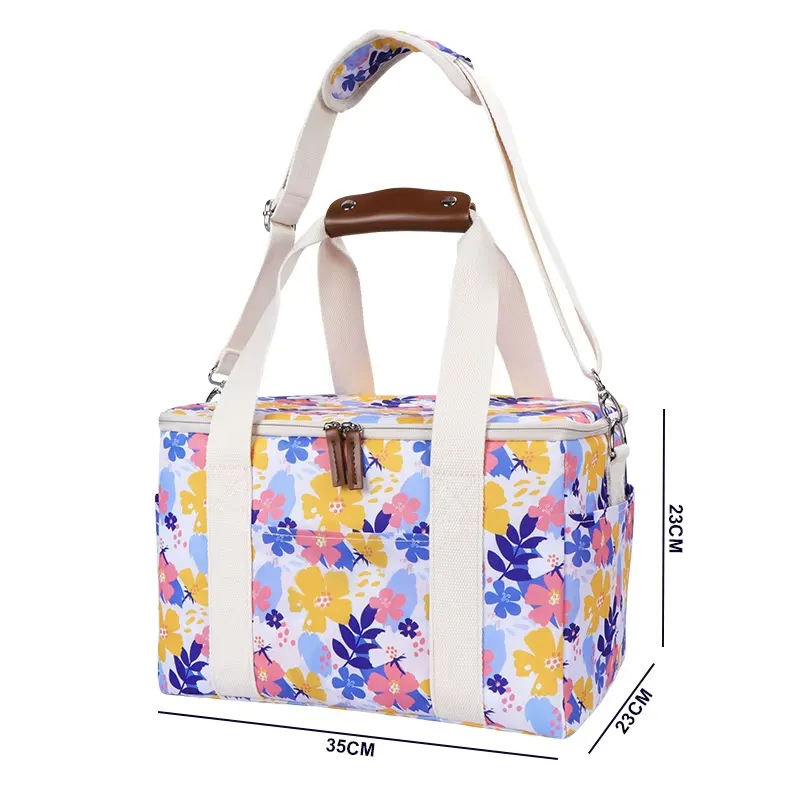
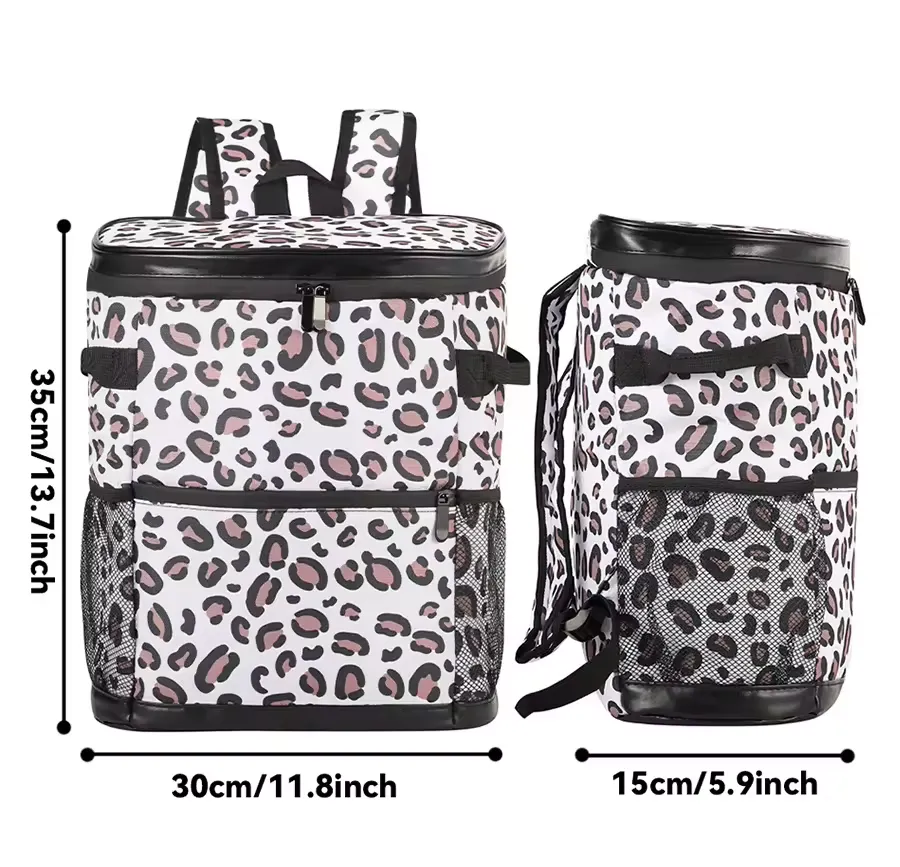
Engineered for 4-6 hour thermal retention verified under ASTM C177 testing. FDA-compliant PEVA lining with precision RF welding for leak-proof seams, BSCI-certified production since 2013. Low 500 MOQ for custom branding across lunch bags, outdoor coolers, and insulated backpacks.
BEST SELLER
SCHOOL LUNCH
SUSTAINABLE
OUTDOOR
Thermal retention in cooler bags is governed by three heat transfer mechanisms — conduction, convection, and radiation — and the insulation layer must address all three simultaneously. We manufacture across four primary insulation systems, each validated under ASTM C177 steady-state thermal conductivity testing at our Dongguan facility. The critical specification is not just material type but installed thickness: a 5mm EPE liner delivers approximately 3 hours of retention, while 8mm XPE with reflective aluminum facing extends performance beyond 6 hours under identical 32°C ambient conditions.
| Insulation System | Thermal Conductivity (W/m·K) | Standard Thickness | 6hr Test ΔT (32°C ambient) | Relative Cost | Best Application |
|---|---|---|---|---|---|
| EPE Foam (expanded polyethylene) | 0.035 | 5mm | 8-10°C | Low | Promotional lunch bags, short-use |
| XPE Foam (cross-linked PE) | 0.030 | 8mm | 5-7°C | Medium | Daily-use coolers, 4-6hr target |
| XPE + Aluminum Reflective Facing | 0.028 (effective) | 8mm + 1mm foil | 3-5°C | Medium-High | Outdoor coolers, premium lines |
| PEVA Foam Core + Double Aluminum | 0.025 (effective) | 10mm | 2-4°C | High | Medical transport, 8hr+ retention |
All thermal performance claims are verified through chamber testing with calibrated PT100 sensors logging internal temperature at 5-minute intervals over 6 hours. For clients requiring specific retention guarantees, we provide third-party test reports from SGS or Intertek as part of the pre-production validation package.
Every cooler bag lining that contacts food or beverages must comply with FDA food contact substance regulations under 21 CFR. The primary regulation for PEVA and EVA liners is 21 CFR 177.1350 (ethylene-vinyl acetate copolymers), while polyethylene liners fall under 21 CFR 177.1520 (olefin polymers). Compliance is verified through overall migration testing (OML) with a statutory limit of 10 mg/dm², plus specific migration testing for restricted substances including BPA, phthalates (DEHP, DBP, BBP), and heavy metals (lead, cadmium, mercury).
| Lining Material | FDA Regulation | Overall Migration Limit | BPA-Free | Max Contact Temp | Common Use Case |
|---|---|---|---|---|---|
| PEVA (ethylene vinyl acetate) | 21 CFR 177.1350 | 10 mg/dm² | Yes | 60°C | Standard lunch coolers, ice packs |
| Food-Grade PE (polyethylene) | 21 CFR 177.1520 | 10 mg/dm² | Yes | 80°C | Hot/cold dual-use, premium liners |
| EVA (higher VA content) | 21 CFR 177.1350 | 10 mg/dm² | Yes | 50°C | Soft flexible liners, bottle holders |
| PVC (polyvinyl chloride) | 21 CFR 177.1980 (limited) | 10 mg/dm² | Requires verification | 40°C | Legacy products, phasing out |
We have phased out PVC liners across all production lines since 2024 due to increasing EU REACH restrictions and brand sustainability requirements. All current PEVA and PE liners are sourced from suppliers with valid FDA Food Contact Notification (FCN) status, and we maintain batch traceability for every liner material lot. For EU-bound shipments, we additionally ensure compliance with EU 10/2011 food contact plastic regulations and provide Declaration of Compliance (DoC) documentation upon request.
The single most common failure point in cooler bags is seam leakage — and the construction method determines whether your cooler can hold melting ice without weeping onto contents. Radio frequency (RF) welding, also called high-frequency or dielectric welding, uses electromagnetic energy at 27.12 MHz to excite polar molecules in PVC, PEVA, TPU, and EVA materials, generating internal heat that fuses the material at the molecular level without needles or thread. The result is a seamless, homogeneous bond that is literally stronger than the surrounding material — peel strength typically exceeds 40 N/cm for PEVA, and the seam has zero needle holes for water to penetrate.
| Construction Method | Seal Integrity | Needle Holes | Peel Strength | Compatible Materials | Relative Cost | Leak Risk |
|---|---|---|---|---|---|---|
| RF Welded (full perimeter) | Homogeneous molecular bond | Zero | 40+ N/cm | PVC, PEVA, TPU, EVA | Medium-High | Extremely Low |
| RF Welded + Taped Seams | Bond + secondary barrier | Zero | 40+ N/cm | PVC, PEVA, TPU | High | Minimal |
| Sewn + Seam Sealed (tape) | Mechanical + adhesive barrier | Yes (covered) | 15-25 N/cm | All fabrics | Medium | Low-Medium |
| Sewn Only (standard) | Mechanical stitch only | Yes (exposed) | 10-20 N/cm | All fabrics | Low | High (capillary wicking) |
Our standard cooler bag construction uses RF welding for all internal PEVA lining seams, combined with conventional sewing for exterior fabric assembly and strap attachment — this hybrid approach delivers leak-proof internal containment while maintaining design flexibility on the exterior. All RF-welded seams undergo 100% inline air-pressure testing (0.5 bar for 30 seconds) before moving to the next production stage, with random destructive peel testing per ISO 22868 on every production lot. For clients requiring guaranteed waterproof performance (e.g., medical sample transport, expedition coolers), we offer fully RF-welded body construction with zero sewn seams on the internal containment layer.