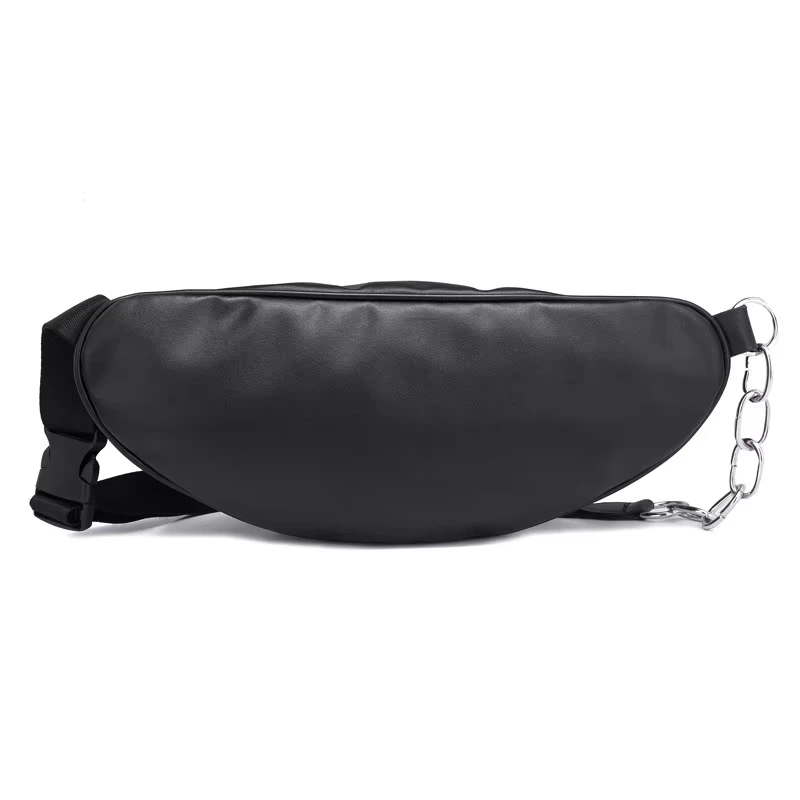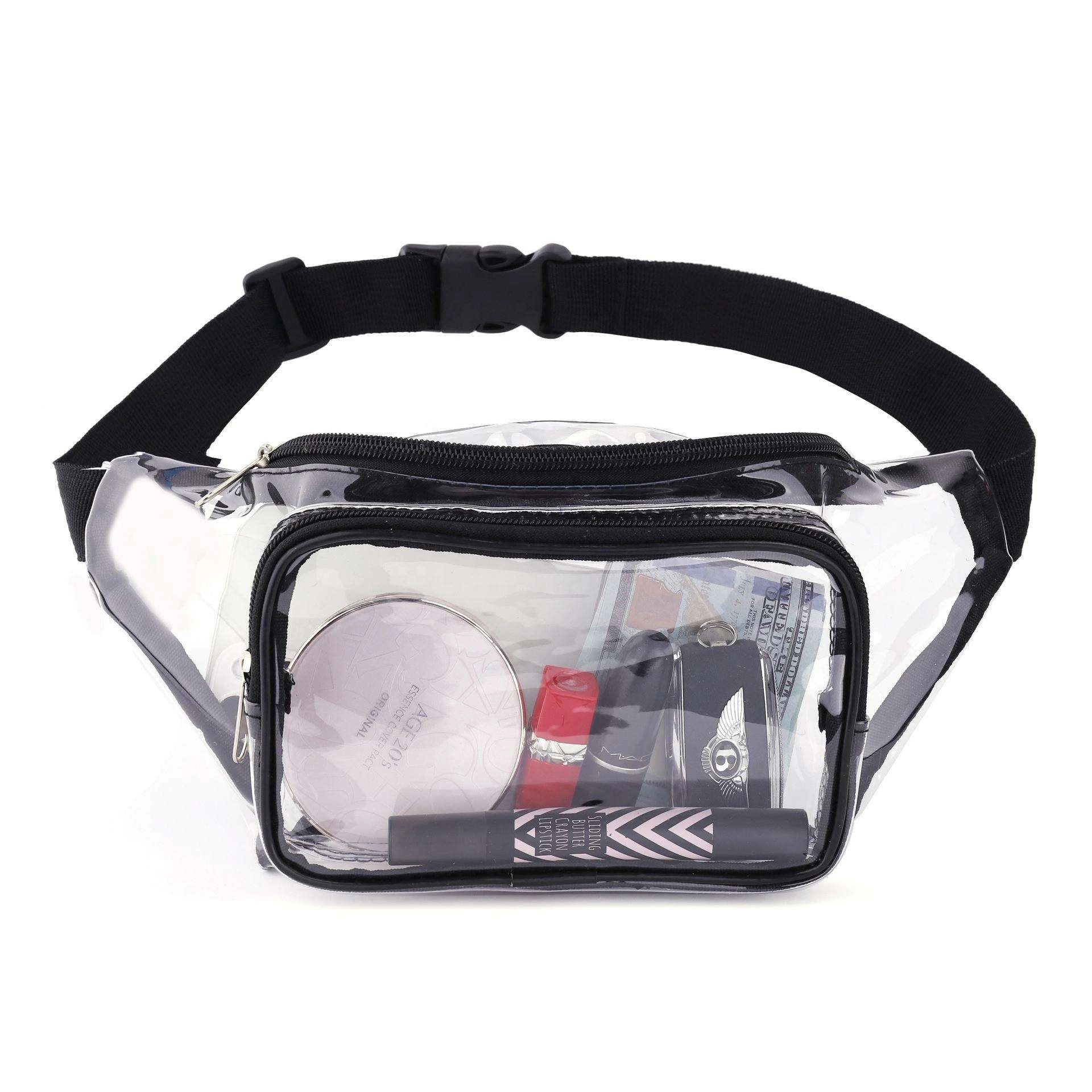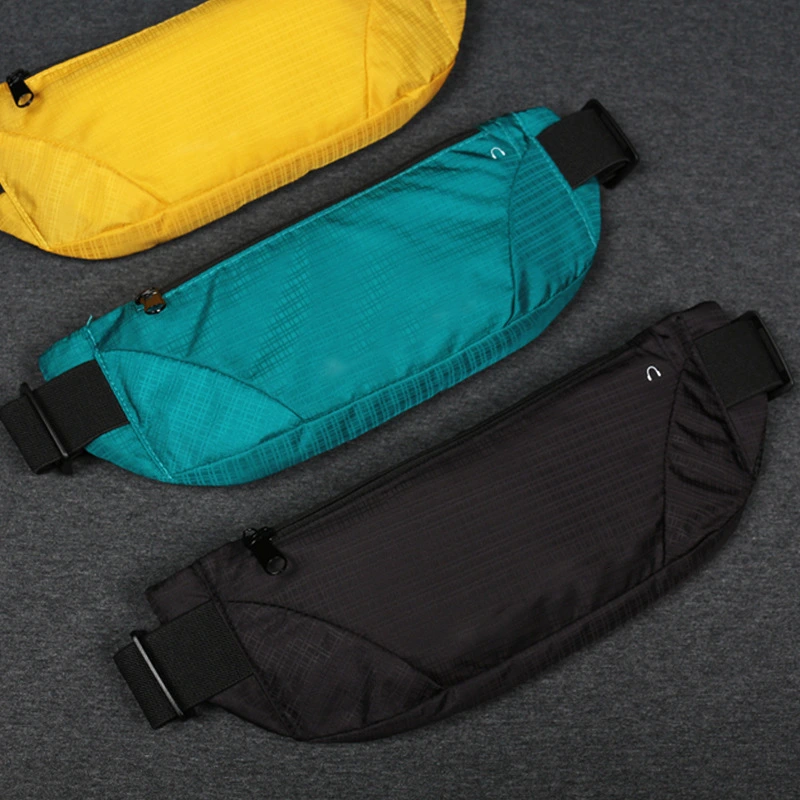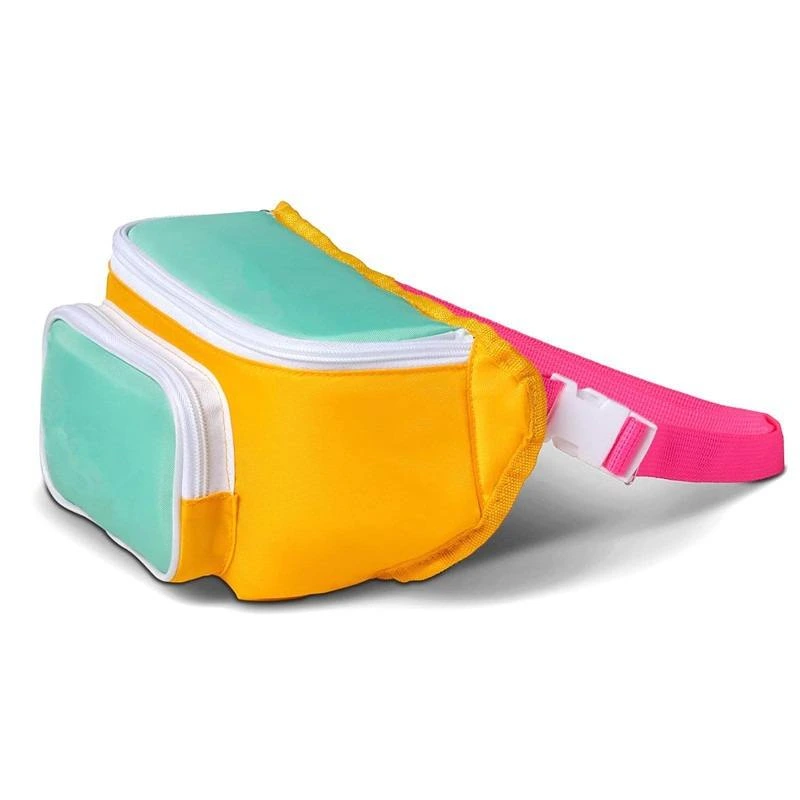
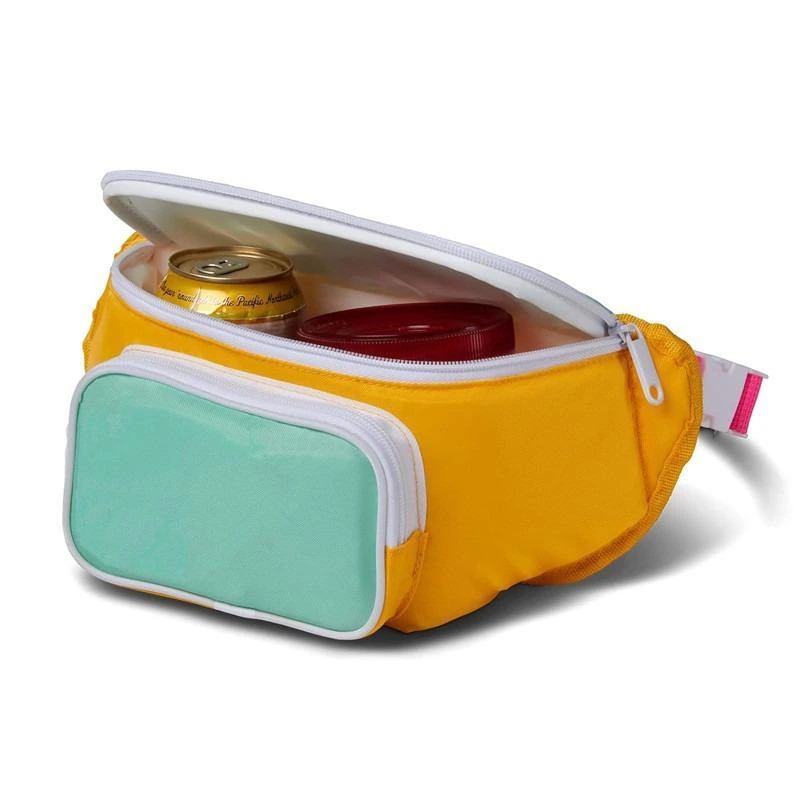
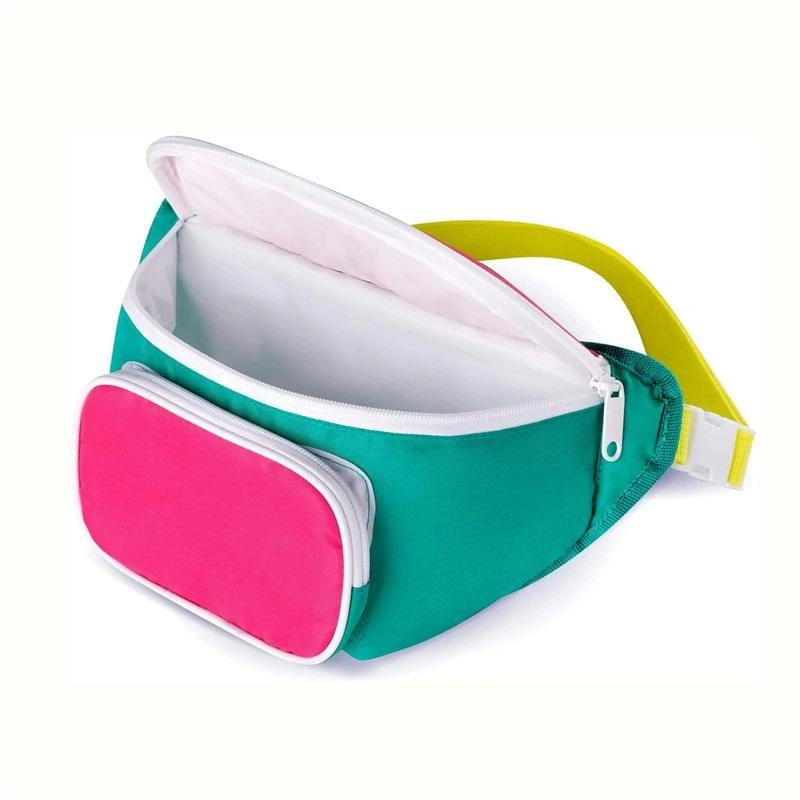
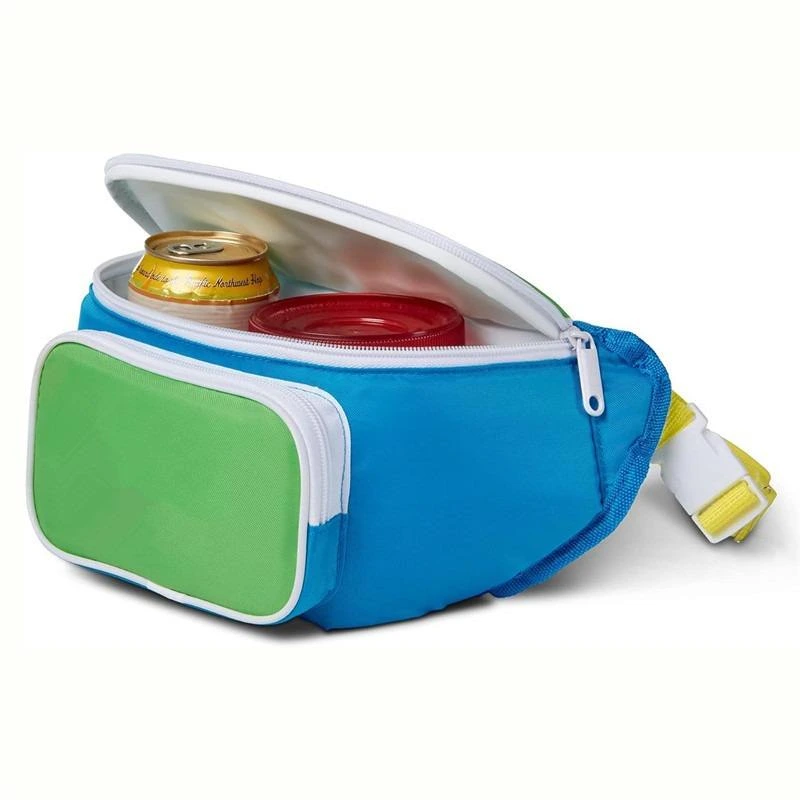
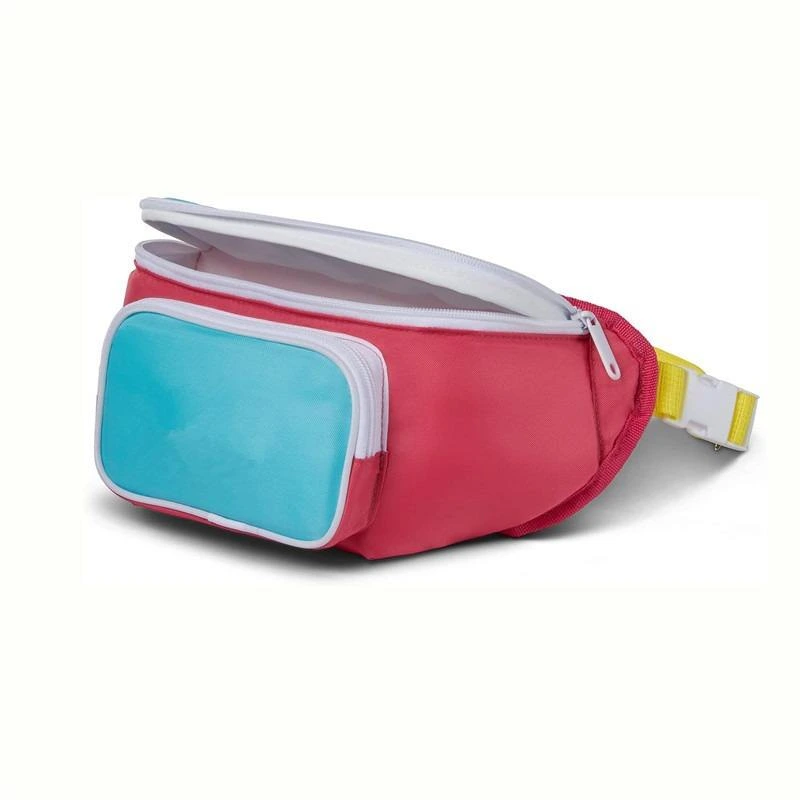
PEVA Lined Cooler Belt Bag Manufacturing

Thermal Performance:4-6 hour retention (R-value 2.1)
Lining:Seamless PEVA (FDA food-grade)
Shell:600D Oxford (3000mm waterproof)
Insulation:5mm EPE foam + aluminum foil
Profile:Under 2" compact when empty
MOQ:500 pieces per color
Sample Time:7 days with thermal data
Production:30-35 days
Shipping:Express: 7-10 days
Air: 15–20 days
Sea: 30–45 days
Request Thermal Test Report & Quote

Thermal Engineering for 4-6 Hour Retention

01

Multi-Layer Thermal Architecture

We engineer a three-layer composite: 600D Oxford shell (3000mm hydrostatic), 5mm EPE foam (28kg/m³ density), and aluminum foil vapor barrier. The R-value 2.1 outperforms standard 3mm foam alternatives by 40%, achieving genuine 4-6 hour retention vs. industry-standard 2-3 hour claims.

02

Seamless PEVA Liner Integration

Unlike stitched liners that leak at perforations, our RF-welded PEVA construction (0.3mm thickness) creates continuous waterproofing. This heat-sealed technology withstands 5kg hydrostatic pressure for 8 hours—eliminating the seam-failure mode common in budget cooler bags.

03

Condensation Management System

The aluminum foil intermediate layer acts as a vapor barrier, preventing moisture migration to the exterior shell. This eliminates branding damage from condensation rings and maintains exterior dryness—critical for food delivery applications requiring professional appearance upon arrival.

04

Load-Bearing Strap Engineering

We specify 25mm × 1200D nylon webbing with bartack stitching at 8 stress points. Load testing validates 20kg static capacity—supporting 6× 500ml bottles (3.5kg) with 4× safety factor. This exceeds the 2× margin typical of consumer-grade cooler bags.

05

Thermal Validation & QC Protocol

Each production batch undergoes ASTM C177 thermal conductivity testing. We verify 4-hour retention at 8°C interior (25°C ambient) before shipment. For private label clients, we provide thermal test reports with sample approvals—documenting performance claims with empirical data.

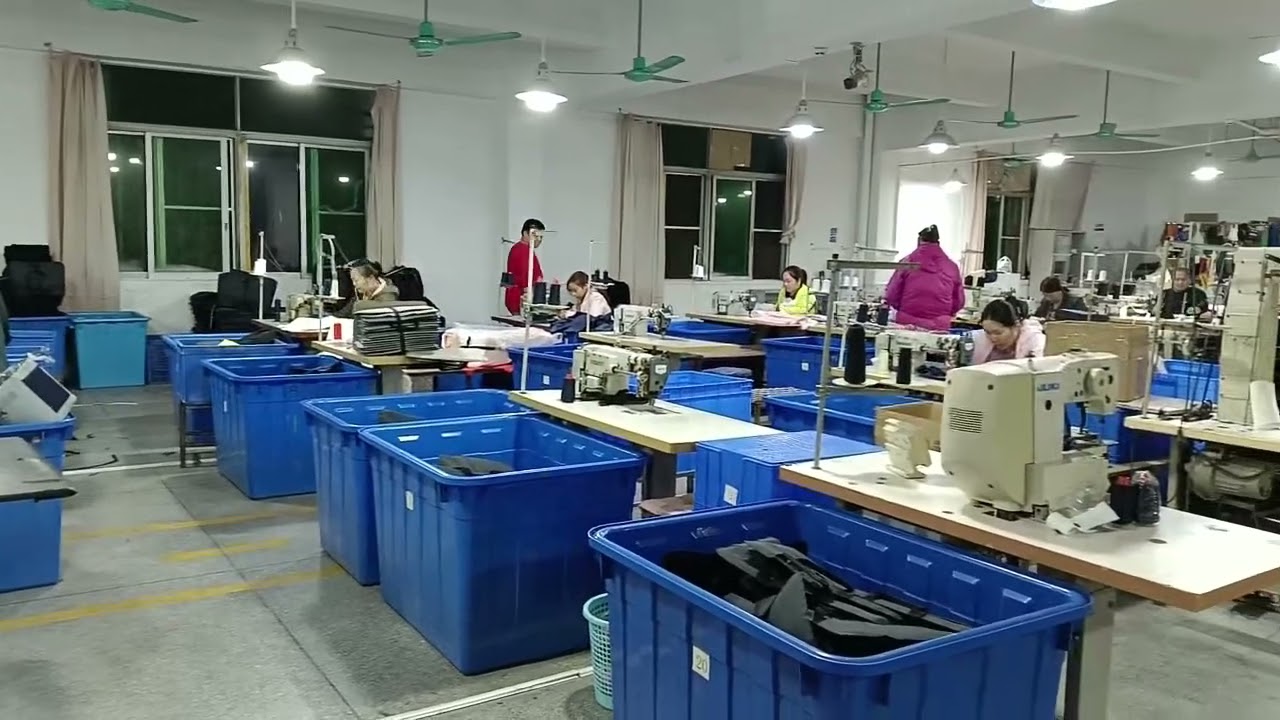
Multi-layer thermal material lamination and PEVA welding process Thermal retention testing and load-bearing strap validation

Manufacturing Distinction: Since 2013, Merris has specialized in PEVA-lined thermal bag OEM for outdoor brands and food delivery services. Our Dongguan facility produces cooler belt bags that solve the three critical failures of generic alternatives: seam leakage, condensation branding damage, and inflated thermal claims. With 500pcs MOQ and thermal test documentation, we support brands requiring defensible performance specifications.

Technical Specifications vs. Standard Cooler Bags

Our thermal bag manufacturing prioritizes measurable performance metrics and food-safety compliance over generic "insulated" claims.

Thermal Retention Engineering

  • Insulation Specification: 5mm EPE foam (28kg/m³) + aluminum foil vs. standard 3mm foam—providing R-value 2.1 vs. industry average 1.3.
  • Tested Performance: 4 hours at <8°C, 6 hours at <12°C (ASTM C177) vs. untested marketing claims of "all day" cooling.
  • Vapor Barrier: Aluminum foil layer prevents condensation migration vs. single-wall construction that damages exterior branding.

Leak-Proof Construction

  • Liner Technology: RF-welded seamless PEVA (0.3mm) vs. stitched seams—eliminating perforation leakage points.
  • Pressure Testing: 5kg hydrostatic pressure for 8 hours vs. untested "water-resistant" claims.
  • Food Safety: FDA 21 CFR 177.1350 compliant PEVA vs. unregulated PVC alternatives that may leach plasticizers.

Load & Durability Standards

  • Shell Material: 600D Oxford (3000mm hydrostatic) vs. 420D standard—resisting abrasion during outdoor trekking.
  • Strap Capacity: 25mm × 1200D nylon with 20kg validated load vs. 20mm polyester with untested ratings.
  • Size Flexibility: 500pcs MOQ supports food-delivery platform integration vs. 1000+ minimums for comparable thermal performance.

Strategic Manufacturing Partnership

Merris operates as a thermal performance specialist rather than general bag supplier. Our 12-year focus on PEVA-lined cooler bags means we understand the engineering requirements that commodity manufacturers overlook: the relationship between foam density and R-value, the failure modes of seam constructions, and the regulatory requirements for food-contact materials. We translate these technical specifications into scalable 500-unit production with documented quality control.

Dongguan Facility: Thermal Bag Production

Documentation of PEVA-lined cooler bag manufacturing: multi-layer lamination, RF welding for seamless liners, thermal conductivity testing, and load validation. Transparency for outdoor brands and food delivery services conducting technical audits.

Production Documentation: 5mm EPE foam lamination | RF-welded PEVA seamless construction | Aluminum foil vapor barrier integration | ASTM C177 thermal testing | 20kg load-bearing validation

Technical FAQ for Thermal Bag Procurement

Specific answers regarding PEVA seamless construction, thermal retention validation, and food delivery integration.

How does your PEVA lining achieve leak-proof performance without seam failures?
We utilize heat-sealed seamless PEVA construction rather than stitched seams that create perforation points. The 0.3mm PEVA membrane is RF-welded at joints, achieving zero leakage under 5kg hydrostatic pressure for 8 hours. This exceeds standard sewn-liner designs that typically fail at seams within 2-3 hours of melted ice exposure.
What thermal retention specifications support your 4-6 hour performance claim?
Our 5mm EPE foam density (28kg/m³) combined with aluminum foil reflective layer creates a total R-value of 2.1. In standardized testing (ASTM C177), this maintains interior temperatures below 8°C for 4 hours and below 12°C for 6 hours when exterior ambient is 25°C with initial load of 1kg ice. We provide thermal test reports with each sample shipment.
Can you integrate this cooler bag with food delivery platform requirements?
Yes, our PEVA lining is FDA 21 CFR 177.1350 compliant for food contact, and the 600D Oxford exterior meets hygiene wipe-down protocols required by delivery services. We offer size variants accommodating standard meal delivery containers (26×20×10cm) and can integrate RFID pocket options for order tracking integration.
How do you prevent condensation buildup that damages exterior branding?
The aluminum foil intermediate layer acts as a vapor barrier, preventing moisture migration from the PEVA lining to the outer shell. This eliminates the condensation ring-staining common in single-layer insulated bags. For silk-screen branding, we apply water-resistant ink formulations that maintain vibrancy despite exterior humidity exposure.
What load capacity ensures strap integrity when carrying full beverage loads?
The reinforced nylon webbing (25mm width, 1200D density) is bartack-stitched at 8 points with cross-pattern reinforcement. Load testing validates 20kg static capacity and 15kg dynamic capacity (simulating walking motion). For 500ml × 6 bottle loads (approximately 3.5kg), this provides 4× safety factor exceeding industry standard 2× margins.

Request Thermal Specifications & Quote

Receive 500pcs MOQ pricing and ASTM thermal test reports within 8 hours. Specify food delivery or outdoor application requirements.

ABCD

Information used for quoting only. No spam.

WeChat QR Code
Quick Inquiry
ABCD